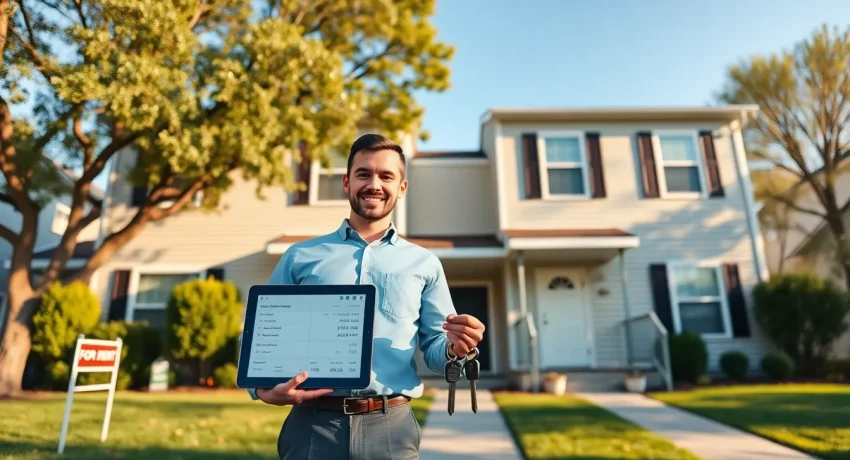

What is house hacking? It’s a real estate strategy that lets homeowners offset their mortgage by renting out part of their property. Many people use house hacking to reduce living costs, build equity, and start investing in real estate with minimal risk.
The concept is simple: buy a property, live in one section, and rent out the rest. The rental income covers part, or all, of the mortgage payment. Some house hackers even generate positive cash flow each month.
This guide explains how house hacking works, the most popular strategies, key benefits, potential challenges, and how beginners can get started today.
Table of Contents
ToggleKey Takeaways
- House hacking is a real estate strategy where homeowners rent out part of their property to offset or eliminate mortgage payments.
- Popular house hacking methods include multi-family properties, rent-by-room arrangements, ADUs, and short-term rentals like Airbnb.
- Owner-occupied financing makes house hacking accessible with down payments as low as 3.5% through FHA loans.
- Beyond reducing housing costs, house hacking helps build equity faster and provides hands-on landlord experience with lower risk.
- Potential challenges include reduced privacy, landlord responsibilities, tenant turnover, and navigating local rental regulations.
- Before starting, research your local market, run conservative financial projections, and choose the house hacking strategy that matches your comfort level.
How House Hacking Works
House hacking follows a straightforward formula. A homeowner purchases a property, occupies one portion, and rents out the remaining space. The rent collected from tenants pays down the mortgage.
Here’s a basic example: Someone buys a duplex for $300,000. They live in one unit and rent the other for $1,500 per month. If the monthly mortgage payment is $1,800, the owner only pays $300 out of pocket. That’s an 83% reduction in housing costs.
The math can work even better. In strong rental markets, house hacking can produce positive cash flow. The owner lives for free and pockets extra money each month.
House hacking works with different property types. Multi-family homes like duplexes, triplexes, and fourplexes are popular choices. Single-family homes with extra bedrooms, basement apartments, or accessory dwelling units (ADUs) also work well.
Financing is often easier than traditional investment property loans. Because the owner lives on-site, they can use primary residence loan programs. FHA loans require as little as 3.5% down. Conventional loans for owner-occupied properties typically need 5-20% down. These terms are much better than the 20-25% required for pure investment properties.
Popular House Hacking Strategies
Several house hacking strategies exist. The best approach depends on budget, location, and personal comfort level.
Multi-Family Properties
Buying a duplex, triplex, or fourplex is the classic house hacking method. The owner lives in one unit and rents the others. Properties with up to four units still qualify for residential financing, which keeps down payments low.
Rent by the Room
This strategy works with single-family homes. The owner rents individual bedrooms to tenants while keeping a private room for themselves. Rent-by-room arrangements often generate more income than renting a whole unit because landlords charge a premium for furnished, flexible leases.
Accessory Dwelling Units (ADUs)
An ADU is a separate living space on the same property, like a converted garage, basement apartment, or backyard cottage. The owner lives in the main house and rents the ADU. Many cities have relaxed zoning laws to encourage ADU construction.
Short-Term Rentals
Platforms like Airbnb and VRBO let house hackers rent space by the night. Short-term rentals typically earn more per night than long-term leases. But, they require more active management and may face local regulations.
Benefits of House Hacking
House hacking offers financial and lifestyle advantages that traditional homeownership doesn’t provide.
Reduced or Eliminated Housing Costs
The primary benefit is obvious: someone else pays the mortgage. Housing is most people’s largest expense. Cutting it down, or eliminating it, frees up thousands of dollars annually for savings, investments, or other goals.
Build Equity Faster
Every mortgage payment builds equity. When tenants cover that payment, the owner gains wealth without spending their own money. Over time, this creates significant net worth.
Learn Landlord Skills With Training Wheels
House hacking introduces property management on a small scale. Living on-site makes it easier to handle maintenance, screen tenants, and respond to issues. These skills become valuable when expanding a real estate portfolio.
Better Loan Terms
Owner-occupied financing offers lower interest rates and smaller down payments than investment property loans. This makes house hacking accessible to people who couldn’t otherwise afford rental properties.
Tax Advantages
House hackers can deduct expenses related to the rental portion of their property. Mortgage interest, property taxes, insurance, repairs, and depreciation may all provide tax benefits. A qualified accountant can explain the specifics.
Potential Challenges to Consider
House hacking isn’t perfect. Several challenges can affect the experience.
Reduced Privacy
Living near tenants means less personal space. In rent-by-room situations, owners share common areas like kitchens and bathrooms. Some people find this arrangement uncomfortable long-term.
Landlord Responsibilities
Property owners must handle maintenance requests, collect rent, and address tenant concerns. These tasks take time and can create stress, especially with difficult tenants.
Tenant Turnover
Vacancies reduce income. When tenants move out, the owner must find replacements, clean the unit, and potentially make repairs. High turnover increases costs and management effort.
Property Condition
Multi-family properties and older homes may need significant repairs. Unexpected maintenance can eat into profits. A thorough inspection before purchase helps identify potential issues.
Local Regulations
Zoning laws, rental permits, and short-term rental restrictions vary by location. Some areas limit ADU construction or prohibit Airbnb rentals. Research local rules before committing to a house hacking strategy.
Getting Started With House Hacking
Beginning a house hacking journey requires planning and research.
Assess Finances
Determine how much down payment is available. Check credit scores and debt-to-income ratios. Getting pre-approved for a mortgage clarifies the budget before house hunting.
Research Markets
Not all areas support house hacking equally. Strong rental demand, reasonable property prices, and landlord-friendly regulations create ideal conditions. Compare rent prices to mortgage payments in target neighborhoods.
Choose a Strategy
Decide which house hacking approach fits best. Multi-family properties suit people who want separate living spaces. Renting rooms works for those comfortable with shared common areas. ADUs offer privacy but require construction or renovation.
Find the Right Property
Work with a real estate agent familiar with investment properties. Look for homes that produce positive cash flow, or at least cover the mortgage, after accounting for vacancies, maintenance, and management time.
Prepare for Landlord Duties
Learn tenant screening, lease agreements, and local landlord-tenant laws. Set clear expectations and maintain professional boundaries. Many house hackers recommend treating the arrangement as a business, not a casual roommate situation.
Run the Numbers
Calculate expected income versus expenses. Include mortgage payments, insurance, taxes, maintenance reserves, and potential vacancies. Conservative estimates prevent unpleasant surprises.