
Buying vs. renting tools is a decision that affects both your budget and project outcomes. Homeowners and contractors face this choice regularly. The right answer depends on how often you’ll use the tool, the project scope, and your long-term plans. A circular saw might be worth owning if you tackle weekend projects often. But renting a concrete mixer for a one-time patio job saves money and storage space. This guide breaks down the key factors that determine whether buying or renting tools makes more financial sense for your situation.
Table of Contents
ToggleKey Takeaways
- Buying tools makes sense when you’ll use them more than three or four times per year, as the purchase quickly pays for itself compared to repeated rental fees.
- Renting tools is the smarter choice for one-time projects, specialized equipment, or when storage space is limited.
- Calculate your break-even point by dividing the purchase price by the rental cost per use to determine which option saves you money.
- Beginners benefit from renting first to test equipment before committing to a purchase they might regret.
- When buying vs. renting tools, factor in hidden costs like maintenance, storage, transportation, and potential damage fees.
- Quality tools from brands like DeWalt, Makita, and Milwaukee retain strong resale value, reducing your effective ownership cost over time.
When Buying Tools Makes Sense
Buying tools makes sense when you plan to use them repeatedly. A drill, for example, serves dozens of purposes around the house. Owning one eliminates repeated rental fees and trips to the store.
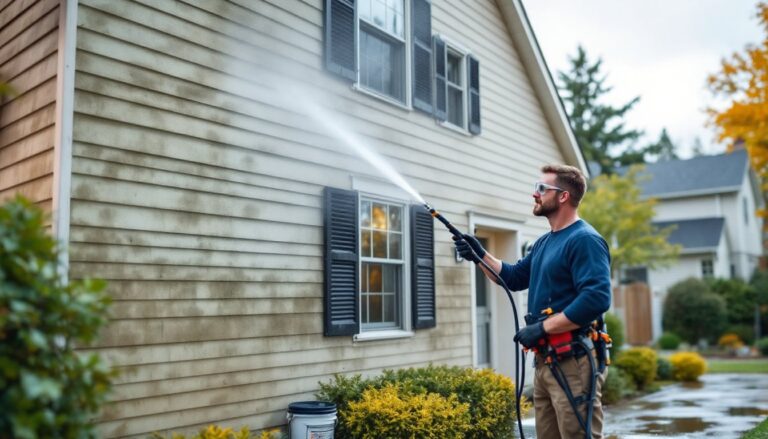
Frequency of use is the primary factor. If a tool gets used more than three or four times per year, purchasing it often costs less than renting. Consider a pressure washer. Renting one costs $50-$100 per day. Buying a decent model runs $200-$400. After four or five uses, the purchase pays for itself.
Professionals and serious DIYers benefit most from buying tools. They use equipment often enough to justify the upfront cost. Quality tools also last for years with proper care. A well-maintained table saw can serve a woodworker for decades.
Convenience matters too. Owning tools means having them available whenever a project arises. No need to check rental availability or work around store hours. That Saturday morning repair doesn’t have to wait until Monday.
Buying tools also allows for customization. Owners can add accessories, modify setups, and maintain equipment to their standards. Rental tools come as-is and may show wear from previous users.
When Renting Tools Is the Better Choice
Renting tools works best for one-time or infrequent projects. Why spend $800 on a tile saw for a single bathroom renovation? Renting that same tool costs around $50-$75 per day.
Specialized equipment falls into this category. Stump grinders, jackhammers, and floor sanders see limited use for most homeowners. These tools also require significant storage space. Renting eliminates both the expense and the clutter.
Renting tools makes sense when testing new equipment. Someone considering a career in woodworking might rent a planer before investing $500 or more. This approach reveals whether the tool fits their workflow and skill level.
Maintenance is another consideration. Owned tools require upkeep, oil changes, blade sharpening, part replacements. Rental companies handle all maintenance. Users return the tool and walk away without additional obligations.
Buying vs. renting tools also involves risk assessment. Expensive equipment can break or become outdated. Technology improves constantly. A rented tool is always the rental company’s current model, while a purchased tool ages in the garage.
Storage limitations make renting attractive for apartment dwellers or those with small workshops. A concrete mixer takes up considerable space. Renting it for a weekend project then returning it keeps the garage clear.
Cost Comparison: Short-Term vs. Long-Term Expenses
The math behind buying vs. renting tools comes down to break-even points. Calculate the purchase price divided by the rental cost per use. That number shows how many rentals equal the cost of ownership.
Short-Term Costs
Renting wins for short-term needs. A $40 daily rental beats a $300 purchase when the tool gets used once or twice. Factor in delivery fees, deposits, and late charges. Even with these additions, occasional users save money by renting.
Short-term projects also carry uncertainty. The rented tool might not suit the job perfectly. Returning it costs nothing beyond the rental fee. A purchased tool that doesn’t work out represents a loss.
Long-Term Costs
Ownership becomes cheaper over time for frequently used tools. Consider a miter saw priced at $350. Rental costs average $45 per day. After eight uses, buying proves more economical. Every subsequent use represents pure savings.
Long-term costs include maintenance and repairs. Budget an additional 10-15% of the purchase price annually for upkeep. This expense doesn’t apply to rentals.
Depreciation affects owned tools. A $500 tool might sell for $200 after five years. But, those five years of free access often outweigh the depreciation loss.
Hidden Costs
Both options carry hidden expenses. Buyers face storage costs, insurance considerations, and opportunity costs of capital tied up in equipment. Renters face transportation costs, time spent picking up and returning tools, and potential damage fees.
Key Factors to Consider Before Deciding
Several factors influence the buying vs. renting tools decision beyond simple cost calculations.
Project Timeline
Long projects favor buying. A home renovation spanning several months makes renting impractical. Daily rental fees add up fast. Even weekly or monthly rental rates become expensive over extended periods.
Skill Level
Beginners should consider renting first. Learning on rented equipment protects against buying the wrong tool. Experience reveals which features matter most. That knowledge leads to better purchasing decisions later.
Quality Requirements
Professional-grade tools cost significantly more than consumer models. Rental companies often stock commercial equipment. Renting provides access to high-quality tools that would otherwise exceed the budget.
Storage Space
Available storage shapes the decision. A well-organized workshop can accommodate owned tools. A cramped apartment cannot. Renting makes sense when storage isn’t available.
Future Plans
Consider what projects lie ahead. Someone planning multiple renovations over the next few years should think about building a tool collection. A single project with no follow-up favors renting.
Resale Value
Quality tools retain value. DeWalt, Makita, and Milwaukee products sell well on secondary markets. Buying tools with strong resale potential reduces the effective ownership cost.