
House hacking trends 2026 point to a shift in how property owners generate income from their homes. Rising housing costs and changing lifestyle preferences are pushing more people toward creative living arrangements. Investors and homeowners alike are finding new ways to offset mortgage payments while building equity.
The strategies gaining traction aren’t entirely new, but they’re evolving. From accessory dwelling units to tech-powered property management, house hacking in 2026 looks different than it did just a few years ago. This article breaks down four major house hacking trends 2026 will bring to the forefront, and what they mean for anyone looking to make their property work harder.
Table of Contents
ToggleKey Takeaways
- House hacking trends 2026 emphasize ADUs, short-term rental strategies, co-living arrangements, and property management technology as top income-generating methods.
- Prefabricated ADUs under $100,000 are making house hacking accessible to homeowners who couldn’t afford traditional construction.
- Hybrid short-term rental models that switch between Airbnb and medium-term leases maximize occupancy and income year-round.
- Co-living arrangements can generate 40% more income per property compared to renting to a single family.
- Smart home devices and property management software allow house hackers to automate tasks while maintaining full-time jobs.
- Owner-occupied properties often qualify for short-term rental permits that absentee landlords cannot obtain, giving house hackers a competitive advantage.
Rising Popularity of ADUs and Backyard Units
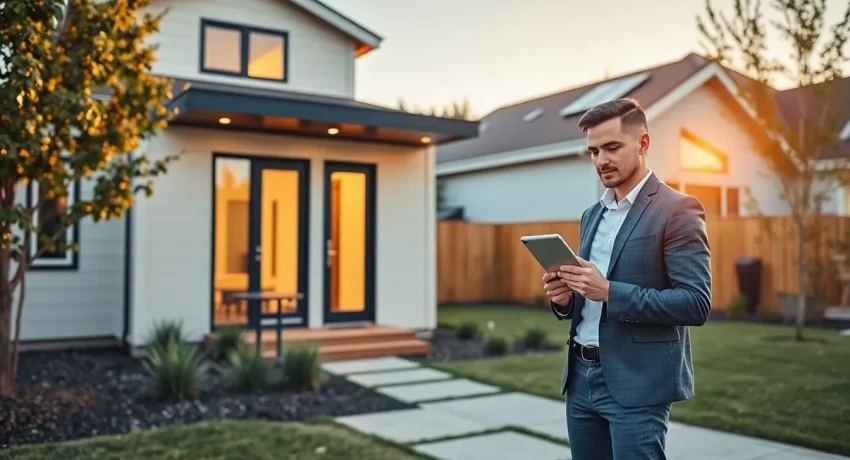
Accessory dwelling units (ADUs) continue to dominate house hacking trends 2026 discussions. These small secondary homes, built on existing residential lots, offer property owners a straightforward path to rental income.
Several factors are driving ADU growth. Zoning laws have loosened in many states, including California, Oregon, and Washington. Cities that once restricted backyard construction now actively encourage it. This regulatory shift makes ADU development faster and cheaper than before.
The numbers tell a compelling story. Permits for ADUs increased by 30% between 2022 and 2024 in major metropolitan areas. Projections suggest this growth will accelerate through 2026 as construction costs stabilize and prefab options become more accessible.
Prefabricated ADUs deserve special attention here. Companies now offer turnkey units that arrive ready for installation. Some models cost under $100,000 and take weeks rather than months to complete. This affordability opens house hacking to homeowners who previously couldn’t afford traditional construction.
For house hackers, ADUs provide flexibility. They can house long-term tenants, serve as short-term rentals, or accommodate family members. The unit generates income while maintaining separation between the property owner and their tenants.
One practical consideration: financing. Many lenders now offer specific ADU loan products. These loans factor in projected rental income when calculating approval amounts. This change makes ADU construction more attainable for homeowners with moderate savings.
Short-Term Rental Integration Strategies
House hacking trends 2026 show a maturing approach to short-term rentals. The Airbnb boom of the 2010s has evolved into something more strategic and sustainable.
Smart house hackers are moving beyond simple room rentals. They’re designing spaces specifically for short-term guests. This includes dedicated entrances, soundproofing between units, and amenities that command premium nightly rates.
The hybrid model is gaining ground. Property owners rent portions of their homes on platforms like Airbnb during peak tourist seasons, then switch to medium-term rentals during slower months. This flexibility maximizes occupancy and income throughout the year.
Regulation remains a key factor. Many cities have implemented short-term rental restrictions since 2020. Successful house hackers in 2026 will understand their local ordinances before investing in this strategy. Some jurisdictions cap annual rental days. Others require permits or limit short-term rentals to owner-occupied properties.
Those restrictions actually favor house hackers over pure investors. Since house hacking involves living on the property, owners often qualify for permits that absentee landlords cannot obtain.
Pricing optimization tools have become essential for this house hacking approach. Dynamic pricing software adjusts nightly rates based on local events, seasonal demand, and competitor listings. These tools can increase annual revenue by 15-25% compared to static pricing.
The hospitality element matters more than ever. Guest expectations have risen. Professional photos, quick communication, and thoughtful touches separate high-earning listings from struggling ones.
Co-Living Arrangements and Shared Spaces
Co-living represents one of the most interesting house hacking trends 2026 will showcase. This model goes beyond traditional roommate situations to create intentional communities within single properties.
The concept appeals to remote workers, young professionals, and people seeking affordable housing in expensive markets. Residents get private bedrooms but share kitchens, living rooms, and sometimes workspaces. They pay rent individually while splitting utility and maintenance costs.
For house hackers, co-living offers higher income per square foot than traditional rentals. A four-bedroom home rented to a single family might generate $2,500 monthly. That same home configured for co-living, with each room rented individually, can produce $3,500 or more.
The trade-off involves more active management. House hackers running co-living spaces handle tenant screening for multiple residents, mediate occasional conflicts, and maintain shared areas. Some find this hands-on approach rewarding. Others prefer the simplicity of single-tenant arrangements.
Community building has become central to successful co-living house hacks. Property owners host occasional dinners, create shared resource boards, and establish clear house rules. These efforts reduce turnover and attract quality tenants willing to pay premium rents.
Younger demographics show particular interest in co-living. Gen Z and millennial renters often prioritize community and flexibility over square footage. They value furnished rooms, included utilities, and month-to-month lease options, all features that house hackers can provide.
House hacking trends 2026 suggest co-living will expand beyond urban centers into suburban areas. Remote work has untethered many professionals from city offices, making suburban co-living communities viable in markets with lower property costs.
Technology and Property Management Tools
Technology is reshaping house hacking trends 2026 in practical ways. Property management tasks that once consumed hours now take minutes with the right tools.
Smart home devices have become standard for house hackers. Smart locks eliminate key handoffs and allow remote access management. Thermostats with scheduling features reduce energy costs while maintaining tenant comfort. Noise monitors alert owners to potential disturbances without invading privacy.
Property management software has scaled down to serve individual house hackers. Platforms like Avail, TurboTenant, and Buildium offer affordable plans for small landlords. These tools handle rent collection, lease signing, maintenance requests, and tenant communication from a single dashboard.
Accounting and tax preparation have also improved. Apps track rental income and expenses automatically. They categorize deductions, store receipts, and generate reports for tax season. This automation saves house hackers money on professional bookkeeping.
Tenant screening technology deserves mention. Background check services integrate directly with listing platforms. House hackers can verify income, check credit scores, and review rental history within hours rather than days.
Marketing tools help house hackers fill vacancies faster. Listing syndication services push rental ads to multiple platforms simultaneously. Some services include professional photography and virtual tour creation.
The cost of these technologies remains reasonable. Most house hackers spend $50-150 monthly on software subscriptions. The time savings and error reduction easily justify this investment.
House hacking trends 2026 indicate that tech adoption separates successful operators from struggling ones. Those who embrace automation can manage their properties efficiently while maintaining full-time jobs or other commitments.