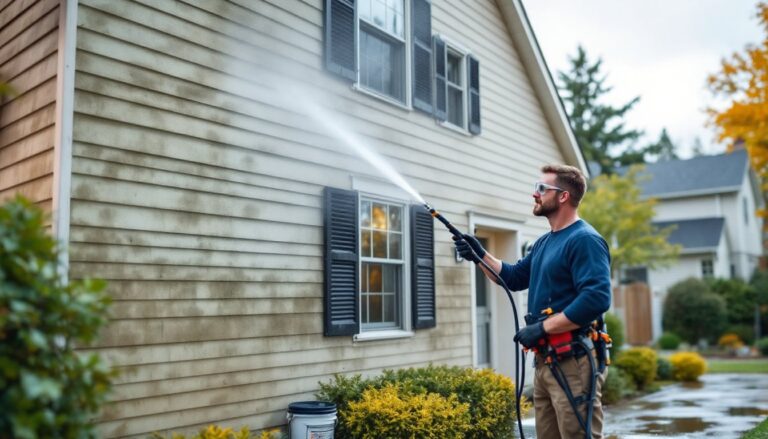

Living a block from the Atlantic brings sunshine, ocean breezes, and a unique set of cleaning challenges most inland homeowners never face. Sand infiltrates every corner, salt air corrodes fixtures faster than you’d expect, and humidity invites mold like an unwelcome houseguest. Daytona Beach homes need more than a quick vacuum and surface wipe, they require strategic cleaning routines that address coastal conditions head-on. Whether you’re handling it yourself or weighing professional help, understanding how the environment affects your home makes the difference between constant cleaning frustration and a maintenance routine that actually holds up.
Table of Contents
ToggleKey Takeaways
- House cleaning in Daytona Beach requires specialized strategies to combat salt air corrosion, sand infiltration, and 74% humidity that accelerates wear on surfaces and fixtures faster than inland homes.
- Use microfiber cloths, pH-neutral cleaners, and HEPA-filter vacuums to effectively remove fine sand particles and salt residue before they damage flooring, grout, and mechanical systems.
- Bathrooms demand weekly deep cleaning with mold-inhibiting products, and caulk inspections every three months are essential to prevent moisture infiltration and expensive water damage in high-humidity conditions.
- Professional house cleaning services become worthwhile for mold remediation beyond 10 square feet, deep cleaning after neglect, or ongoing biweekly maintenance ($120–$200 for a 1,500-square-foot home in Daytona Beach).
- A sustainable cleaning schedule with daily, weekly, and monthly task categories—plus quarterly deep-cleans—prevents buildup and keeps coastal home maintenance manageable without turning small problems into costly repairs.
Why Regular House Cleaning Matters in Daytona Beach’s Coastal Climate
Coastal living accelerates wear on nearly every surface in a home. Salt air doesn’t just smell like vacation, it’s corrosive, settling on window frames, hinges, and metal fixtures. Left unchecked, it causes pitting and rust within months, not years. Regular cleaning with fresh water rinses removes salt deposits before they bond to surfaces.
Humidity levels in Daytona Beach average 74%, creating perfect conditions for mold and mildew growth on grout, window seals, and in HVAC systems. A home that goes two weeks without bathroom cleaning in Arizona might be fine: the same timeline in Daytona Beach can result in visible mold on shower caulk. Dehumidifiers help, but consistent surface cleaning with mold-inhibiting cleaners is non-negotiable.
Sand intrusion wears down flooring faster than standard dirt. Those fine silica particles act like sandpaper on hardwood finishes, tile glaze, and carpet fibers. Door mats only catch about 60% of tracked-in sand. The rest migrates into HVAC returns, under baseboards, and into sliding door tracks, where it jams mechanisms and scratches surfaces during operation.
Ignoring these factors doesn’t just create a messier home, it shortens the lifespan of finishes, fixtures, and mechanical systems, turning deferred cleaning into expensive repairs.
DIY House Cleaning: Essential Tips for Daytona Beach Homeowners
Cleaning a coastal home effectively requires adjusting products and frequency to match the environment. Standard interior cleaning schedules don’t account for the sand, salt, and moisture load Daytona Beach homes endure.
Start with microfiber cloths and mops rather than cotton alternatives. Microfiber grabs and holds fine sand particles instead of pushing them around, and it’s more effective at trapping salt residue. Wash them in hot water without fabric softener, which clogs the fibers and reduces their effectiveness.
For hard surfaces, use pH-neutral cleaners on tile, stone, and sealed concrete. Acidic cleaners (even vinegar) can etch natural stone and degrade grout sealers over time, which is especially problematic in high-humidity environments where moisture seeps into compromised grout lines. On metal fixtures, wipe down weekly with a damp cloth followed by a dry buff to prevent salt buildup, bathroom and kitchen faucets especially.
HEPA-filter vacuums are worth the investment. Standard vacuums recirculate fine dust and allergens back into the air, which matters more in humid climates where particles clump and settle on surfaces faster. Vacuum high-traffic areas twice weekly minimum, and don’t skip baseboards and door tracks where sand accumulates.
Always wear nitrile gloves when handling mold-killing cleaners or working in areas with visible mildew. Products containing bleach or quaternary ammonium compounds are effective but harsh on skin, and repeated exposure without protection causes dermatitis.
Tackling Sand, Salt, and Humidity Challenges
Sand removal requires a two-step approach: dry first, wet second. Vacuuming before mopping prevents turning sand into abrasive slurry that scratches floors. For tile grout and textured surfaces, a stiff-bristle brush loosens embedded sand before vacuuming. Sliding glass door tracks benefit from a shop vac with a crevice tool, standard vacuums don’t generate enough suction for compacted sand.
Salt residue on windows and exterior door frames needs regular rinsing, not just wiping. Mix 1 tablespoon of mild dish soap per gallon of water and use a soft sponge or cloth to wash down surfaces monthly. Rinse with clean water afterward. For metal hardware (hinges, door handles, mailbox), apply a thin coat of silicone spray lubricant after cleaning to create a barrier against salt air, don’t use petroleum-based products, which attract dust.
Humidity control starts with exhaust fans. Run bathroom fans for 20 minutes after showers, and use range hoods while cooking. If your home doesn’t have adequate ventilation (common in older Daytona Beach builds), a portable dehumidifier in the bathroom and master closet keeps moisture below the 60% threshold where mold thrives. Empty and clean dehumidifier reservoirs weekly to prevent bacterial growth.
Caulk and grout are your first line of defense against moisture infiltration. Inspect shower enclosures and window seals every three months. If caulk is cracked, peeling, or shows black spots, remove it with a utility knife or oscillating multi-tool with a grout blade, clean the joint with rubbing alcohol, and re-caulk with mold-resistant silicone caulk (not acrylic latex, which isn’t waterproof enough for high-moisture areas). This is a 30-minute job that prevents water damage behind walls, skip it, and you’re looking at drywall replacement and potential mold remediation.
Room-by-Room Cleaning Priorities for Coastal Homes
Different rooms face different coastal challenges. Prioritizing high-impact areas keeps the workload manageable without letting problems compound.
Bathrooms need the most frequent attention. Clean toilets, sinks, and showers weekly minimum with a cleaner containing bleach or hydrogen peroxide. Spray tile walls and glass doors with daily shower cleaner (or a 1:1 vinegar-water solution for budget-conscious homeowners) after each use to prevent soap scum and mildew buildup. Wash bath mats and shower curtains every two weeks, they harbor mold spores in humid climates. Check under the sink and around the toilet base for moisture: soft or discolored flooring indicates a leak that needs immediate attention before subfloor rot sets in.
Kitchens battle grease and humidity from cooking. Wipe down counters and backsplashes daily. Clean range hood filters monthly, grease buildup reduces ventilation efficiency and creates a fire hazard. For homes using organization strategies in pantries and cabinets, inspect for moisture or pest intrusion quarterly, especially in lower cabinets near exterior walls where humidity penetrates.
Living areas and bedrooms need regular dusting and vacuuming to manage the constant influx of sand and airborne salt particles. Ceiling fans accumulate a surprising amount of dust in coastal homes, clean blades monthly with a damp microfiber cloth. Wash windows inside and out quarterly to remove salt film that degrades seals and obscures views. Don’t forget window tracks and sills, where moisture and debris combine to create stubborn grime.
Laundry rooms and HVAC closets are often neglected but critical. Clean dryer lint traps after every load and vacuum the exhaust duct annually, lint buildup is a leading cause of house fires. Change HVAC filters monthly (not quarterly) in coastal environments: salt and sand clog them faster. Inspect the condensate drain line on AC units twice yearly and flush with a 1:1 bleach-water solution to prevent algae clogs that cause water damage.
When to Hire Professional House Cleaning Services in Daytona Beach
DIY cleaning handles routine maintenance, but certain situations call for professional help, either for specialized tasks or when time and physical limitations make consistent upkeep unrealistic.
Hire pros for deep cleaning before moving in or out, or if a home has gone months without proper attention. Professionals have commercial-grade equipment (truck-mounted carpet extractors, high-CFM vacuums, steam cleaners) that outperform consumer models. They’ll also tackle jobs most homeowners avoid: baseboard and crown molding detail cleaning, ceiling and wall washing, and interior window tracks.
Mold remediation beyond surface cleaning requires professionals with proper containment and air filtration equipment. If you see mold covering more than 10 square feet, smell persistent musty odors without an obvious source, or discover moisture damage behind walls or under flooring, call a licensed mold remediation company. DIY cleaning won’t address the root moisture source or hidden growth, and disturbing large mold colonies without containment spreads spores throughout the home.
For ongoing maintenance, professional services make sense when time, physical ability, or consistency becomes an issue. A biweekly or monthly service handles bathrooms, kitchens, and floors, leaving homeowners to manage lighter daily tasks. Expect to pay $120–$200 for a standard 1,500-square-foot home cleaning in the Daytona Beach area, with rates varying by service frequency, home size, and add-ons like interior window cleaning or appliance detailing. Some companies familiar with trusted cleaning methods use environmentally safer products on request, ask upfront if that matters to you.
Vet candidates carefully. Check for liability insurance, read reviews mentioning reliability and thoroughness, and confirm whether they bring their own supplies or expect you to provide them. A reputable service will walk through your home before quoting and ask about priorities and concerns rather than offering flat rates sight unseen.
Creating a Sustainable Cleaning Schedule That Works
Consistency beats intensity when it comes to keeping a coastal home clean. A realistic schedule prevents buildup that turns into hours-long cleaning marathons.
Break tasks into daily, weekly, and monthly categories. Daily: wipe kitchen counters and stovetop, sweep or vacuum high-traffic areas, squeegee shower walls. Weekly: clean bathrooms thoroughly, mop hard floors, dust surfaces and ceiling fans, vacuum all rooms. Monthly: wash windows (inside), clean appliance exteriors, wipe baseboards, inspect and clean HVAC filters, check caulk and weatherstripping.
Quarterly deep-cleans tackle exterior windows, sliding door track cleaning, ceiling and wall spot-cleaning, and HVAC vent washing. This is also a good time to move furniture and clean underneath, where dust and sand accumulate out of sight.
For households with multiple people, assign specific tasks rather than vague “help keep things clean” expectations. One person handles bathrooms, another kitchens, a third floors, rotating monthly prevents burnout. If schedules are tight, consider using techniques from home management guides that focus on efficiency and task batching.
Set reminders on your phone for monthly and quarterly tasks, it’s too easy to let those slide until they become problems. A 15-minute daily reset (dishes, counters, quick sweep) prevents the small messes from compounding into overwhelming chaos. It’s not exciting, but it’s the difference between living in a home that feels under control versus constantly playing catch-up.
Conclusion
Keeping a Daytona Beach home clean isn’t about perfection, it’s about staying ahead of the sand, salt, and humidity that come with coastal living. A consistent routine, the right tools, and knowing when to call in professionals prevent small maintenance tasks from turning into expensive repairs. Focus on the high-impact areas, adjust frequency to match the environment, and you’ll spend less time scrubbing and more time enjoying what brought you to the beach in the first place.