
Pasadena’s unique mix of historic Craftsman homes, Mediterranean-style villas, and modern builds means cleaning strategies can’t be one-size-fits-all. The foothill location brings predictable challenges: wind-blown dust from the San Gabriel Mountains, dry heat in summer, and occasional heavy rain that tracks in mud. Add in seasonal wildfire smoke and you’ve got a cleaning routine that needs to account for more than the typical suburban home. Whether tackling the job yourself or hiring help, understanding what makes Pasadena homes different will save time and frustration.
Table of Contents
ToggleKey Takeaways
- House cleaning in Pasadena requires a tailored approach due to dust from the San Gabriel Mountains, low humidity, and seasonal wildfire smoke that demands superior HEPA filtration and more frequent dusting than typical homes.
- Essential cleaning supplies for Pasadena include HEPA vacuums, microfiber cloths, pH-neutral floor cleaners, and respirator masks to handle the region’s unique dust and air quality challenges.
- Professional house cleaning services in Pasadena cost $120–$280 for standard recurring cleaning and $250–$650 for deep cleaning, with specialized post-wildfire services available for smoke damage.
- Historic Craftsman and Mediterranean homes in Pasadena need gentle care—avoid harsh chemicals on plaster walls and original wood finishes, and clean windows every 4-6 weeks due to faster dust accumulation.
- Seasonal adjustments are critical: monthly HVAC filter changes in spring, twice-weekly mopping in summer, ash removal during wildfire season, and mud management during winter rains maintain cleanliness year-round.
Why Pasadena Homes Need a Tailored Cleaning Approach
Pasadena sits at the base of the San Gabriels, which means dust accumulation isn’t just a nuisance, it’s a constant. The Santa Ana winds kick up fine particulate matter that settles on windowsills, baseboards, and HVAC filters faster than in coastal or valley neighborhoods. Homes with original hardwood floors (common in pre-1940s Craftsman and bungalow styles) require different care than modern laminate or tile.
Historic properties often feature plaster walls instead of drywall, which can be more delicate when cleaning. Harsh chemicals or excessive moisture can damage original finishes. Many Pasadena homes also have single-pane wood windows that need careful cleaning to avoid damaging muntins or sash cords.
The region’s low humidity, often below 30% for much of the year, means dust doesn’t settle as easily as in humid climates. It stays airborne longer, requiring better filtration and more frequent dusting of ceiling fans, light fixtures, and crown molding. Wildfire season (typically late summer through fall) adds another layer: ash and smoke residue can coat exterior surfaces and seep indoors if windows are left open.
DIY House Cleaning Tips for Pasadena Homeowners
Essential Cleaning Supplies Every Pasadena Home Should Have
Stock your cleaning caddy with products suited to the local environment and common Pasadena home features:
Microfiber cloths (at least a dozen), These trap fine dust better than cotton rags and won’t scratch wood surfaces. Color-code them: blue for glass, yellow for general surfaces, red for bathrooms.
HEPA vacuum with brush and crevice attachments, Standard vacuums recirculate fine dust. A HEPA filter captures particles down to 0.3 microns, critical during wildfire season.
pH-neutral floor cleaner, Avoid ammonia-based products on hardwood. Look for cleaners specifically labeled for finished wood or engineered flooring.
White vinegar and distilled water (50/50 mix), Perfect for cleaning windows and glass without streaking. Pasadena’s hard water leaves mineral deposits: distilled water prevents that.
Tack cloths, For dusting plaster walls and delicate trim without leaving residue.
Extendable duster with washable head, Ceiling fans and high corners collect more dust here than in humid climates. An 8-foot reach saves ladder time.
Respirator mask (N95 or better), Not just for COVID. Use when cleaning during poor air quality days or tackling dusty areas like attics and garages.
Soft-bristle brushes, For cleaning window screens, which clog quickly with dust and pollen. A gentle brush preserves the mesh.
Avoid over-reliance on multipurpose sprays. Specific products for wood, glass, and stone perform better and reduce the risk of damage to original materials. Many tested recommendations can help narrow down what actually works versus marketing hype.
Room-by-Room Cleaning Strategies That Work
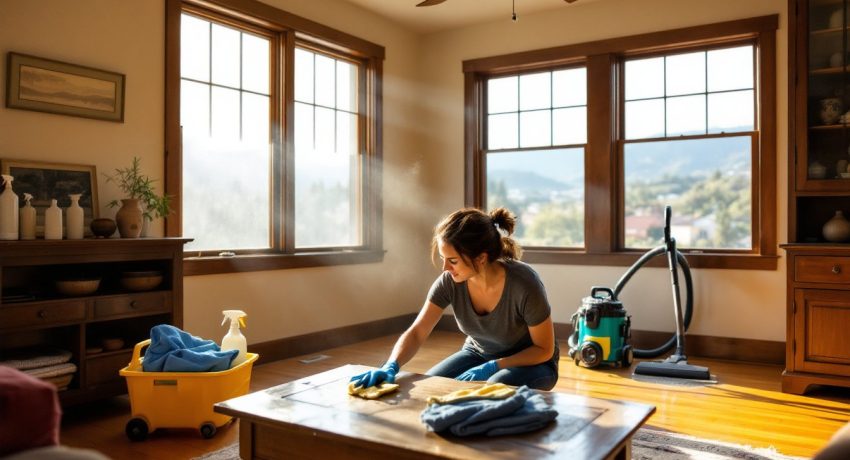
Living Areas and Bedrooms: Start high and work down. Dust ceiling fan blades first (they accumulate a visible layer within two weeks here), then move to picture frames, shelves, and baseboards. Vacuum upholstered furniture weekly using the brush attachment, dust embeds in fabric faster in dry climates. For hardwood floors, vacuum before mopping: pushing a wet mop over gritty dust scratches the finish.
Kitchens: Grease buildup combines with airborne dust to create a sticky film on upper cabinets and range hoods. Use a degreasing cleaner and a microfiber cloth, wiping in the direction of the wood grain. Clean range hood filters monthly, more often if cooking daily. Pasadena’s hard water leaves spots on stainless steel sinks and faucets: wipe dry after each use or use a water softener if mineral buildup is severe.
Bathrooms: Calcium and lime deposits form quickly on showerheads, faucets, and glass doors. A 50/50 vinegar-water solution dissolves mild buildup: for heavy deposits, use a commercial lime remover (ensure ventilation, open windows or run the exhaust fan). Grout in tile showers can mildew even though the dry climate if not properly ventilated. Seal grout annually and use a grout brush with a mildew-specific cleaner every two weeks. Implementing simple living strategies often means reducing clutter on countertops, which makes routine wipe-downs faster.
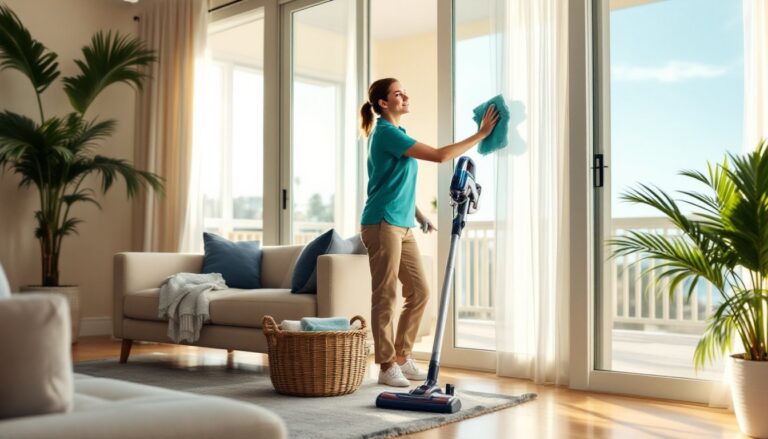
Windows and Exterior Surfaces: Clean windows every 4-6 weeks: dust films over faster here than in other regions. Use a squeegee for large panes and microfiber cloths for divided-light windows common in Craftsman homes. Don’t clean windows in direct sunlight, the solution dries too fast and streaks. For exterior window screens, remove them, rinse with a hose, scrub gently with soapy water, rinse again, and let air-dry before reinstalling.
When to Hire Professional Cleaning Services in Pasadena
Some situations warrant calling in help, especially if time, physical ability, or the scope of the job make DIY impractical.
Deep cleaning after renovations: Construction dust is finer and more pervasive than everyday dust. It gets into HVAC ducts, behind outlets, and inside cabinets. Professional crews have industrial vacuums and know how to clean without spreading dust to clean areas.
Move-in/move-out cleaning: Whether buying a Craftsman fixer-upper or preparing to list a home, a thorough professional clean makes a difference. They’ll tackle areas often overlooked, baseboards, window tracks, inside appliances, and light fixtures.
High or hard-to-reach areas: Two-story homes with vaulted ceilings, exterior second-story windows, or intricate crown molding can be hazardous to clean without proper ladders and safety equipment. Professionals carry insurance for falls and property damage.
Specialized surface cleaning: Original tile work, marble countertops, or antique wood paneling may require products and techniques beyond typical homeowner knowledge. Incorrect cleaners can etch stone or strip historic finishes.
Post-wildfire smoke cleanup: If ash infiltrated the home during a nearby fire, professional-grade air scrubbers and HEPA filtration are more effective than consumer equipment. Smoke residue is acidic and can damage surfaces if not removed properly.
Professional services also make sense when physical limitations (injuries, mobility issues, or chronic conditions) make bending, reaching, or handling chemicals difficult. No shame in outsourcing, it’s a practical decision.
Cost of House Cleaning Services in Pasadena: What to Expect
Pricing varies based on home size, condition, and service frequency. As of 2026, typical Pasadena rates fall within these ranges:
Standard cleaning (recurring service): $120–$200 for a 1,500-square-foot home, $180–$280 for 2,500 square feet. This includes dusting, vacuuming, mopping, bathroom and kitchen cleaning. Frequency affects pricing, biweekly service often costs 10-15% less per visit than monthly.
Deep cleaning (first-time or seasonal): $250–$450 for a 1,500-square-foot home, $400–$650 for 2,500 square feet. Includes baseboards, inside cabinets and appliances, window tracks, and detailed grout cleaning.
Move-in/move-out cleaning: $300–$500 for smaller homes, $500–$800 for larger properties. Expect higher rates if the home hasn’t been maintained or requires appliance cleaning.
Specialty services: Window cleaning (interior and exterior) adds $100–$250 depending on the number and accessibility of windows. Carpet cleaning runs $0.25–$0.50 per square foot. Post-construction cleaning can exceed $1,000 for extensive projects.
Most companies charge by the hour ($40–$70 per cleaner) or by square footage. Flat-rate pricing is more common for recurring services. Ask whether supplies are included, some companies provide all products, others expect homeowners to supply them.
Always get written estimates. Reputable companies will visit the property or request photos before quoting. Be wary of lowball estimates: they often result in upsells or subpar work.
Maintaining a Clean Home Year-Round in Pasadena’s Climate
Consistency beats marathon cleaning sessions. Adapting routines to seasonal conditions keeps the workload manageable.
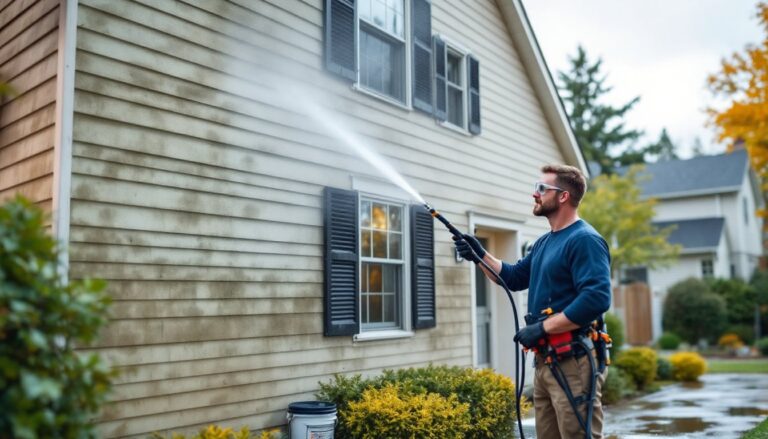
Spring (March–May): Pollen peaks during this period. Change HVAC filters monthly instead of quarterly. Vacuum curtains and upholstery weekly. Wipe down window screens as pollen clogs mesh and reduces airflow. This is also the best time for exterior power washing before summer heat sets in. Many comprehensive home improvement how-tos cover spring prep for both interiors and outdoor spaces.
Summer (June–August): Dust accumulation accelerates. Close windows during the day when it’s windy, use air conditioning with filters rated MERV 11 or higher. Mop hard floors twice weekly, dry conditions mean tracked-in dirt doesn’t show moisture marks, so it’s easy to miss buildup. Clean ceiling fans monthly: running them constantly means faster dust accumulation on blades.
Fall (September–November): Wildfire season brings the risk of ash and smoke. If air quality is poor, avoid opening windows. Run air purifiers with HEPA filters in bedrooms and main living areas. After a smoke event, wipe all hard surfaces with damp microfiber cloths to remove settled particulates. Launder curtains and throw blankets.
Winter (December–February): Rain is infrequent but can be heavy. Place mats at all entry points to catch mud. Humidity rises slightly, which can cause mildew in bathrooms if ventilation is inadequate, run exhaust fans during and for 20 minutes after showers. This is a good time to deep-clean areas neglected during busier months: inside closets, under beds, and garage floors.
Weekly baseline tasks regardless of season: Vacuum high-traffic areas, wipe kitchen counters and sinks daily, clean toilets and bathroom sinks, dust surfaces in main living areas, and empty all trash bins. Monthly: clean inside the refrigerator, wipe down baseboards, dust light fixtures and ceiling fans, and check/replace HVAC filters.
Set reminders on a phone or use a simple checklist. Cleaning in Pasadena is as much about preventing dust and buildup as removing it.