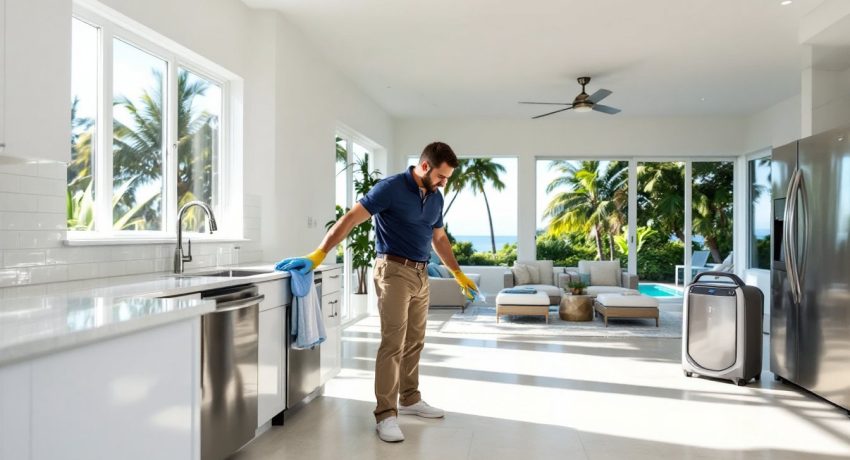

Living in Fort Lauderdale means year-round sunshine, ocean breezes, and sandy flip-flops tracking through your front door. It also means fighting humidity, salt air, mold spores, and that fine layer of dust that reappears hours after you wipe it down. South Florida homes demand a different cleaning approach than inland properties, what works in Denver won’t cut it when you’re two miles from the Atlantic. This guide walks homeowners through the specific challenges of keeping a Fort Lauderdale house clean, from battling mildew in tile grout to protecting surfaces from salt corrosion, plus a realistic schedule that accounts for the climate.
Table of Contents
ToggleKey Takeaways
- Fort Lauderdale house cleaning requires a specialized approach due to year-round humidity above 75%, airborne salt corrosion, and fine sand accumulation that standard cleaning methods can’t handle.
- Control mold growth by maintaining indoor humidity between 45-55% with dehumidifiers, running exhaust fans for 20 minutes after showers, and inspecting grout and caulk lines monthly.
- Invest in coastal-specific cleaning supplies including microfiber cloths, a HEPA-filter vacuum, stainless steel polish, and a squeegee to protect surfaces from salt damage and prevent mildew buildup.
- Break your cleaning routine into daily (5-10 minutes), weekly (60-90 minutes), and monthly (2-3 hours) tasks to prevent mold problems and fixture corrosion without burnout.
- Hire a professional Fort Lauderdale house cleaning service for monthly deep cleans while handling daily maintenance yourself—this cost-effective approach prevents permanent damage from humidity and salt exposure.
- Focus on prevention through preventative maintenance like checking window sills monthly, replacing caulk every 18-24 months, and cleaning dryer vents quarterly to avoid costly structural repairs.
Why Fort Lauderdale Homes Need Special Cleaning Attention
Fort Lauderdale’s tropical rainforest climate brings average humidity levels above 75% year-round. That moisture seeps into grout lines, window seals, air ducts, and any porous surface it can find. Mold and mildew thrive in these conditions, especially in poorly ventilated bathrooms, laundry rooms, and closets.
Salt air is the second culprit. Homes within three miles of the coast deal with airborne salt particles that corrode metal fixtures, cloud glass, and leave a sticky residue on outdoor furniture and window screens. Stainless steel appliances, door hardware, and light fixtures need frequent wiping or they’ll pit and stain.
Then there’s the sand. Even if you don’t hit the beach daily, fine silica dust blows inland and settles on floors, baseboards, and HVAC vents. Combined with humidity, it forms a gritty film that standard dusting won’t touch. These three factors, humidity, salt, and sand, mean Fort Lauderdale homes require more frequent deep cleaning and preventative maintenance than homes in drier or inland climates. Skipping a week can turn into a mold problem or permanent fixture damage.
DIY House Cleaning Tips for Fort Lauderdale Homeowners
Tackling Humidity and Mold in South Florida Homes
Keeping mold at bay starts with controlling indoor humidity. Run dehumidifiers in bathrooms, laundry rooms, and closets, especially during summer months when outdoor humidity hits 85% or higher. Set them to maintain 45-55% relative humidity, anything above 60% invites mold growth.
Check grout lines and caulking around tubs, showers, and sinks every few weeks. Use a stiff nylon brush and a solution of one part bleach to ten parts water to scrub visible mold. Wear nitrile gloves and safety goggles: bleach splatter burns. If grout is crumbling or caulk is separating, remove and replace it, cleaning won’t fix structural gaps where water pools.
Inspect window sills, sliding door tracks, and AC vents monthly. These spots trap condensation and organic debris. Wipe them down with a microfiber cloth dampened with white vinegar or a mildew-specific cleaner. Don’t use vinegar on natural stone: it etches marble and travertine. For tile, it’s safe and effective.
Run bathroom exhaust fans during showers and for 20 minutes after. If your fan is loud or weak, replace it. Modern units pull 80-110 CFM (cubic feet per minute) and cost $30-$80 at home centers. A weak fan leaves moisture on walls and ceilings, which turns into mildew within days.
Essential Cleaning Supplies for Coastal Living
Fort Lauderdale cleaning kits need products that handle salt, mold, and humidity. Start with these:
- Microfiber cloths: Standard cotton towels smear salt residue. Microfiber traps particles and dries surfaces without streaking. Buy a dozen and wash them separately, fabric softener ruins their texture.
- White vinegar: Cuts through mineral deposits, salt film, and light mildew. Mix 1:1 with water in a spray bottle. Costs about $3 per gallon at grocery stores.
- Bleach-based mold cleaner: For stubborn bathroom mold. Use in well-ventilated areas only. Never mix with vinegar or ammonia, it creates toxic chlorine gas.
- Squeegee: Essential for glass shower doors and windows. A quick squeegee after each shower prevents hard water spots and soap scum buildup. Takes 15 seconds.
- HEPA-filter vacuum: Traps mold spores and fine sand particles that standard vacuums recirculate. Look for models rated for allergen filtration. Expect to pay $150-$400 for a quality upright or canister.
- Stainless steel polish: Protects appliances and fixtures from salt corrosion. Apply a thin coat monthly to outdoor hardware and kitchen appliances. Brands like Weiman or Bar Keepers Friend work well for home appliances exposed to coastal conditions.
Keep a separate bucket and sponge for outdoor furniture and railings. Salt buildup outdoors will contaminate indoor cleaning tools if you reuse them.
Room-by-Room Deep Cleaning Strategy
Kitchen: Wipe down stainless steel appliances with a damp microfiber cloth followed by stainless polish. Check behind the refrigerator and under the sink for moisture or mold, South Florida plumbing leaks are common due to high water table pressure. Clean the oven vent hood filter monthly: grease plus humidity creates a sticky, dust-trapping mess. Run the dishwasher with a cup of white vinegar (no dishes) to flush mineral buildup from hard water.
Bathrooms: Scrub tile grout with a bleach solution or oxygen bleach powder (like OxiClean) mixed into a paste. Use a grout brush with stiff bristles, old toothbrushes don’t provide enough pressure. Recaulk tubs and showers every 18-24 months or whenever you see gaps. Remove old caulk completely with a utility knife or caulk removal tool before applying new silicone. Wipe down faucets and shower heads with vinegar to dissolve mineral deposits. If water flow is weak, unscrew the aerator and soak it in vinegar overnight.
Living Areas and Bedrooms: Vacuum upholstery and under furniture monthly. Sand and dust settle in fibers and baseboards quickly. Wipe ceiling fan blades with a damp cloth, they collect a surprising amount of salt film. Wash or vacuum curtains every few months: they trap moisture and can develop mildew if neglected. If you have area rugs, take them outside and beat them or use a carpet beater tool. Vacuuming alone won’t pull out embedded sand.
Laundry Room: Run a washing machine cleaning cycle with bleach or a commercial machine cleaner every month. Front-loaders are notorious for mold growth in door gaskets. Leave the door cracked open between loads to let moisture evaporate. Check dryer vents every three months and clean them annually, lint plus humidity increases fire risk. Use a dryer vent brush (around $10-$15 at hardware stores) or hire a duct cleaning service if the run is longer than 15 feet.
Outdoor Spaces: Hose down patios, railings, and outdoor furniture monthly. Salt buildup corrodes aluminum and rusts wrought iron. Use a mild detergent and a soft brush for stubborn spots. Rinse thoroughly, soap residue attracts more dirt. Pressure washers work well for concrete and pavers, but keep the PSI below 2,000 on wood decks or you’ll gouge the surface.
Creating a Sustainable Cleaning Schedule That Works
Fort Lauderdale homes need more frequent attention than the typical once-a-week routine. Break tasks into daily, weekly, and monthly buckets to avoid burnout.
Daily (5-10 minutes):
- Squeegee shower doors after use
- Wipe kitchen counters and stovetop
- Sweep or vacuum high-traffic areas (entryway, kitchen)
- Empty trash before it attracts palmetto bugs
Weekly (60-90 minutes):
- Mop tile and hardwood floors with appropriate cleaner
- Vacuum all carpets and upholstery
- Clean bathrooms (toilets, sinks, mirrors, tubs)
- Wipe down appliances and cabinet fronts
- Dust ceiling fans, baseboards, and vents
Monthly (2-3 hours):
- Scrub grout and recaulk if needed
- Clean window sills, tracks, and screens
- Vacuum or wash curtains and blinds
- Check for mold in closets, under sinks, and around AC vents
- Deep clean kitchen (oven, microwave, refrigerator coils)
- Hose down outdoor furniture and railings
Quarterly:
- Inspect and clean dryer vents
- Pressure wash patios and exterior surfaces
- Check HVAC filters and replace if needed (some homes need monthly changes)
- Inspect caulking and grout throughout the house
If this feels overwhelming, many Fort Lauderdale homeowners hire a cleaning service for monthly deep cleans and handle daily/weekly maintenance themselves. That approach keeps costs reasonable while preventing mold and salt damage. When comparing local services, look for companies experienced with coastal homes, they’ll know to check the spots you might miss.
For those managing everything solo, home organization strategies can help streamline storage and reduce clutter, which makes cleaning faster and more effective. Less stuff on counters means fewer surfaces to wipe down.
Conclusion
Fort Lauderdale’s climate doesn’t give homeowners a break. Humidity, salt, and sand create a relentless cycle of mold, corrosion, and grime that demands consistent attention. But with the right supplies, a realistic schedule, and knowledge of the trouble spots, keeping a South Florida home clean becomes manageable rather than overwhelming. Focus on prevention, dehumidifiers, exhaust fans, and monthly grout checks, and you’ll spend less time scraping mildew and more time enjoying that ocean breeze.