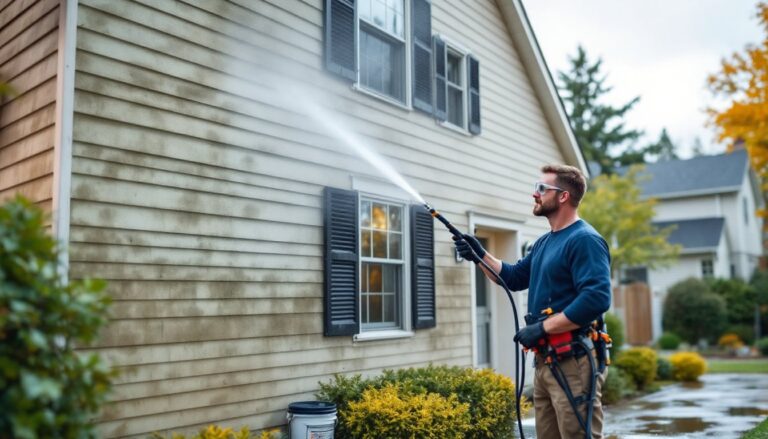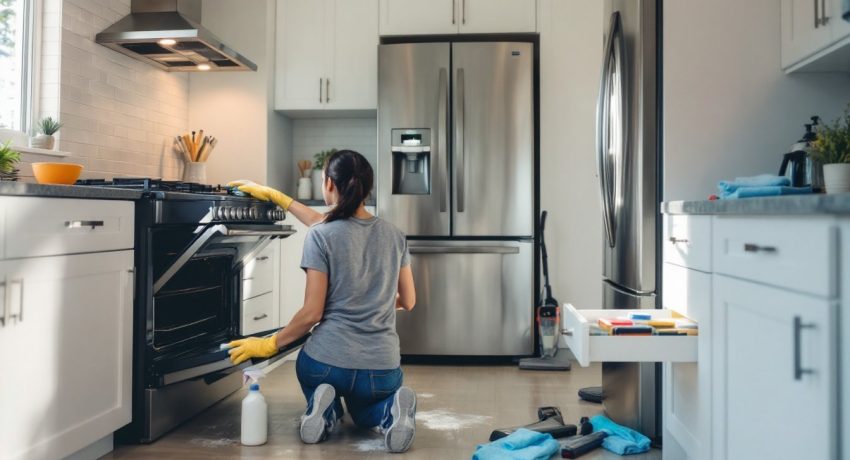

Deep cleaning goes beyond the weekly dust-and-vacuum routine. It’s the kind of work that reaches behind appliances, scrubs grout lines until they look new again, and tackles baseboards that haven’t seen a rag in months. Whether someone’s prepping a home for sale, recovering from a renovation, or just tired of surface-level clean, a proper deep clean resets the entire house. This checklist breaks down what to tackle in every room, what tools make the job easier, and which tasks to prioritize when time or energy runs short.
Table of Contents
ToggleKey Takeaways
- Deep house cleaning targets overlooked areas like behind appliances, grout lines, and baseboards that regular weekly cleaning misses, requiring specialized tools like grout brushes, degreasing agents, and steam cleaners.
- Kitchen deep cleaning prioritizes appliance coils, oven interiors, cabinet handles, and backsplash grout, where grease and grime accumulate fastest and demand heavy-duty degreasers or natural pastes.
- Bathrooms require aggressive scrubbing of tile grout with vinegar or oxygen bleach, descaling fixtures, and ventilation fan cleaning to address moisture-related buildup and mold growth.
- Most households benefit from scheduling a deep house cleaning two to four times yearly, with seasonal spring and fall deep cleans aligning naturally with home maintenance cycles and weather patterns.
- Often-overlooked high-touch surfaces like doorknobs, light switches, window tracks, and laundry appliance gaskets harbor bacteria and require disinfecting wipes or vinegar treatments as part of a thorough deep clean.
- Professional deep cleaning services typically cost $200 to $400 for a standard single-family home, making the investment worthwhile for those unable to dedicate a full day to the project themselves.
What Makes Deep Cleaning Different from Regular Cleaning?
Regular cleaning maintains order, sweeping floors, wiping counters, emptying trash. It keeps a home functional day-to-day. Deep cleaning, by contrast, addresses the grime that builds up over time in places most people don’t touch weekly.
The difference shows up in the details. Deep cleaning involves moving furniture to vacuum underneath, scrubbing tile grout with a stiff brush, washing interior windows, and wiping down light fixtures. It targets baseboards, door frames, switch plates, and the tops of ceiling fans, surfaces that collect dust but rarely get attention during routine tidying.
Frequency matters, too. Most households benefit from a deep clean two to four times per year, depending on factors like pets, kids, allergies, and local dust levels. Homes near construction sites or unpaved roads may need quarterly attention, while low-traffic households might stretch to twice a year.
Deep cleaning also requires different tools. A basic vacuum and all-purpose spray won’t cut it. Expect to use degreasing agents, grout brushes, microfiber cloths, extendable dusters, and possibly a steam cleaner for tile or upholstery. Budget a full day for a thorough whole-house deep clean, or break it into weekends by room.
Kitchen Deep Cleaning Essentials
Kitchens accumulate grease, food residue, and grime faster than any other room. A deep clean here means dismantling, degreasing, and sanitizing surfaces that get skipped in daily upkeep.
Start with appliances. Pull the refrigerator away from the wall and vacuum the condenser coils, dust buildup here reduces efficiency and shortens appliance life. Empty the fridge completely, toss expired items, and scrub shelves and drawers with warm soapy water. Don’t forget the drip tray underneath.
For the oven, use a heavy-duty degreaser or a baking soda paste (three parts baking soda to one part water) on interior surfaces. Let it sit overnight, then scrape off with a plastic spatula and wipe clean. Remove oven racks and soak them in hot water with dish soap, scrubbing with a stiff brush. Clean the range hood filters by soaking in hot water with degreasing dish soap or running them through the dishwasher if they’re dishwasher-safe.
Cabinets and drawers need attention too. Wipe down cabinet fronts, especially around handles, with a degreaser. Empty drawers, vacuum out crumbs, and wipe interiors with a damp cloth. Check under the sink for leaks or mold, and toss any cleaning products past their prime.
Scrub tile backsplashes with a grout brush and a mixture of baking soda and water or a dedicated grout cleaner. Grout lines darken from cooking oils and moisture, and restoring them makes a dramatic difference. For stubborn stains, a steam cleaner works wonders without harsh chemicals.
Finish by wiping down baseboards, light fixtures, and the tops of cabinets. These surfaces collect grease and dust that regular cleaning misses. Use a damp microfiber cloth and a step stool, no need for specialty products.
Bathroom Deep Cleaning Tasks
Bathrooms demand aggressive cleaning due to constant moisture, soap scum, and hard water deposits. A deep clean here focuses on tile, grout, fixtures, and often-ignored corners.
Tile and grout are the priority. Spray tile surfaces with a bathroom cleaner or a 1:1 vinegar-water solution (avoid vinegar on natural stone like marble or travertine). Let it sit for 10 minutes, then scrub grout lines with a stiff-bristled grout brush. For heavily stained grout, use an oxygen bleach cleaner or a paste of baking soda and hydrogen peroxide. A steam cleaner also excels here, loosening grime without elbow grease.
Descale showerheads and faucets by soaking them in white vinegar for 30 minutes, then scrubbing with an old toothbrush. If the showerhead is removable, submerge it fully in a bowl of vinegar: otherwise, fill a plastic bag with vinegar and secure it around the showerhead with a rubber band.
Clean the toilet thoroughly, not just the bowl. Scrub under the rim with a pumice stone or a dedicated toilet brush. Wipe down the exterior, including the base and the bolts at the floor line, which collect dust and grime. Remove the toilet seat if it has quick-release hinges, and scrub around the mounting points.
Wash shower curtains and liners in the washing machine with detergent and a cup of baking soda. Add a few towels to the load for scrubbing action. Hang them to dry immediately to prevent mildew.
Ventilation fans collect dust that restricts airflow and harbors mold. Turn off power at the breaker, remove the cover, and vacuum the fan blades and housing with a brush attachment. Wipe the cover with soapy water before reinstalling.
Finish with mirrors, baseboards, and the often-forgotten space behind the toilet. Use a disinfectant on high-touch surfaces like door handles and light switches.
Living Areas and Bedroom Deep Cleaning
Living rooms and bedrooms accumulate dust, allergens, and odors that regular vacuuming doesn’t fully address. Deep cleaning these spaces improves air quality and refreshes fabrics.
Move furniture to vacuum and mop underneath. Dust bunnies, pet hair, and small debris collect under couches, beds, and dressers. Use a vacuum with a crevice tool to reach tight corners and along baseboards.
Wash or vacuum upholstery depending on the fabric. Check care tags, most removable cushion covers are machine washable. For non-removable upholstery, use a fabric cleaner or a steam cleaner to lift dirt and odors. Pay attention to armrests and headrests, which show wear fastest.
Curtains and blinds trap dust and allergens. Machine-wash fabric curtains according to care labels, or take them to a dry cleaner if they’re lined or delicate. Dust blinds with a microfiber cloth or a duster, working top to bottom. For deep grime, wipe each slat individually with a damp cloth, tedious but effective.
Wipe down light fixtures, ceiling fans, and air vents. Dust on fan blades becomes airborne when the fan runs, spreading particles throughout the room. Use a damp cloth on each blade, working over a drop cloth or old sheet to catch debris.
In bedrooms, flip and vacuum the mattress, checking for stains or signs of wear. Sprinkle baking soda over the surface, let it sit for 15 minutes to absorb odors, then vacuum it off. Wash pillows and comforters according to their care labels, most down and synthetic-fill bedding is machine washable.
Baseboards, door frames, and window sills need attention, too. Wipe them with a damp microfiber cloth or a Magic Eraser for scuff marks. Home organization tips often emphasize decluttering before deep cleaning, which makes dusting and vacuuming far more efficient.
Often-Overlooked Areas in a Deep Clean
Certain spots get ignored for months, or years, during regular cleaning. These areas accumulate grime quietly but impact the overall feel of a home.
Interior windows and tracks collect dust, dead bugs, and condensation residue. Spray glass with a window cleaner and wipe with a microfiber cloth or squeegee. Use a vacuum crevice tool or an old toothbrush to clean out window tracks, which trap dirt and prevent smooth operation.
Doorknobs, light switches, and remote controls are high-touch surfaces that harbor bacteria. Wipe them with a disinfecting wipe or a cloth dampened with rubbing alcohol. Don’t forget cabinet pulls, drawer handles, and stair railings.
Walls and ceilings show scuffs, fingerprints, and cobwebs over time. Dust walls with an extendable duster or a microfiber mop, working top to bottom. Spot-clean marks with a damp Magic Eraser or a mild all-purpose cleaner. Test in an inconspicuous area first, some paints are more delicate than others.
Vacuum and wipe down HVAC registers and return vents. Remove vent covers and wash them in warm soapy water. Use a vacuum hose to reach into ducts and remove visible dust (full duct cleaning requires a professional, but surface work helps).
Laundry appliances need deep cleaning, too. Run the washing machine on a hot cycle with two cups of white vinegar to remove detergent buildup and odors. Wipe down the drum, gasket, and detergent dispenser. For dryers, vacuum the lint trap housing with a crevice tool, lint buildup here is a fire hazard. Seasonal cleaning guides often recommend dryer vent cleaning as part of spring maintenance.
Garages and mudrooms accumulate dirt faster than interior spaces. Sweep or vacuum floors, wipe down shelves, and organize seasonal items. Clean garage door tracks and hinges, and lubricate moving parts if they’re sticky.
How Often Should You Schedule a Deep Clean?
Deep cleaning frequency depends on household size, pets, allergies, and lifestyle. A single-person apartment with no pets can stretch deep cleans to twice a year, while a family home with kids and dogs benefits from quarterly attention.
Seasonal deep cleans align well with home maintenance cycles. Spring and fall are traditional times to tackle whole-house projects, taking advantage of moderate weather to open windows and air things out. Many expert spring cleaning strategies break tasks into manageable daily or weekly chunks rather than tackling everything in a single marathon session.
Homes with allergy sufferers may need more frequent deep cleaning, especially in bedrooms. Dust mites, pet dander, and pollen accumulate in bedding, upholstery, and carpet. Quarterly mattress vacuuming and curtain washing can reduce allergen load significantly.
After renovations or repairs, a deep clean is essential. Drywall dust, sawdust, and construction debris infiltrate every surface, including HVAC ducts and window tracks. Expect to vacuum multiple times and wipe down all horizontal surfaces.
Before moving in or out of a home, a deep clean ensures a fresh start or meets lease requirements. Focus on appliances, floors, and bathrooms, which are typically scrutinized during walk-throughs.
For those who’d rather not tackle the work themselves, professional deep cleaning services typically charge $200 to $400 for a standard single-family home, depending on size, location, and condition. Rates vary widely by region and service level, so get quotes from multiple providers and confirm what’s included.
Conclusion
Deep cleaning isn’t glamorous, but it’s the kind of work that makes a home feel legitimately clean, not just tidy. Tackling it room by room, with the right tools and a realistic timeline, keeps the job from becoming overwhelming. Whether someone schedules it seasonally or breaks it into monthly projects, a thorough deep clean resets the house and buys months of easier maintenance.