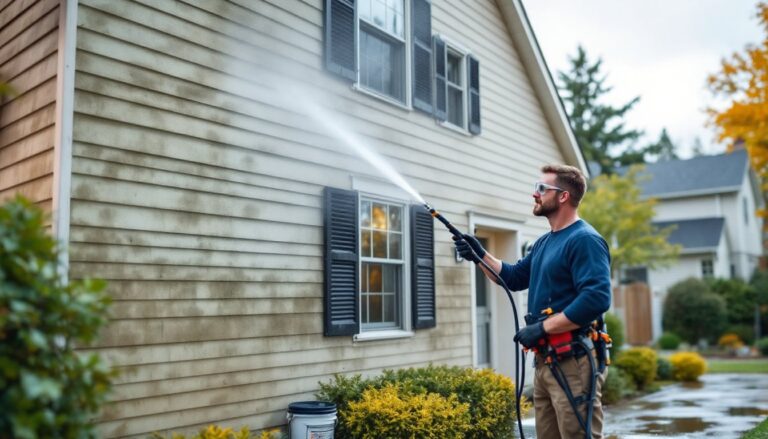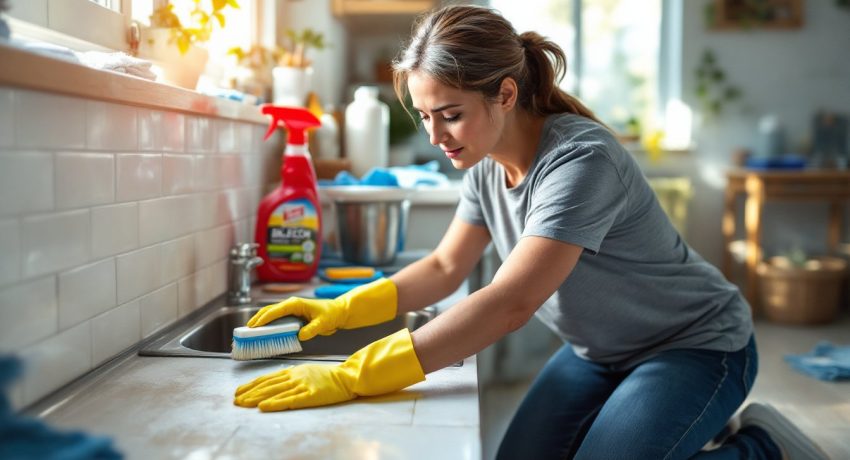

Heavy duty house cleaning isn’t about wiping down counters or running a vacuum. It’s the deep, scrub-on-your-knees work that addresses neglected grime, stubborn stains, and the kind of buildup that accumulates when regular cleaning falls behind. Whether preparing a home for sale, recovering from a renovation, or simply resetting after months of deferred maintenance, this type of cleaning demands stronger products, specialized tools, and a methodical approach. This guide breaks down what qualifies as heavy duty work, which supplies actually perform under pressure, and how to tackle each room without wasting time on methods that don’t deliver.
Table of Contents
ToggleKey Takeaways
- Heavy duty house cleaning tackles deep, stubborn grime like baked-on grease, mineral deposits, and years of buildup that regular maintenance cannot address.
- Essential supplies for heavy duty cleaning include chemical-resistant gloves, stiff-bristle brushes, alkaline degreasers, acid-based cleaners, oxygen bleach, and specialized tools like steam cleaners or rotary scrubbers.
- A room-by-room strategy prevents overlooking surfaces and makes heavy duty house cleaning manageable—breaking work into zones over multiple weeks is more realistic and sustainable than tackling an entire home at once.
- Match cleaner chemistry to stain type: use enzymatic cleaners for protein stains, phosphoric acid for hard water deposits, oxygen bleach for organic stains, and oxalic acid for rust.
- Plan for heavy duty cleaning once or twice yearly during seasonal transitions (spring and fall), with realistic timeframes of 3–4 hours per room or multiple days for whole-house projects.
- Prioritize safety by wearing proper protective equipment, avoiding chemical mixing, and knowing when to hire professionals rather than risking injury from fatigue or unfamiliar tasks.
What Qualifies as Heavy Duty House Cleaning?
Heavy duty cleaning addresses problems that standard weekly routines can’t touch. It involves removing baked-on grease from kitchen surfaces, eliminating hard water stains and soap scum in bathrooms, stripping layers of wax buildup from floors, and deep-cleaning grout lines that have darkened over time.
This level of cleaning typically requires chemical degreasers, acid-based cleaners for mineral deposits, or enzymatic solutions for organic stains. It also means working with abrasive pads, power tools like steam cleaners or rotary scrubbers, and spending significantly more time per square foot than maintenance cleaning.
Distinguish this from regular cleaning: if a surface responds to all-purpose cleaner and a microfiber cloth in under a minute, it’s maintenance. If it requires multiple applications, scrubbing, dwell time for chemical action, or specialized products, it’s heavy duty. Examples include oven interiors caked with carbonized spills, shower glass obscured by mineral deposits, baseboards with years of dust and scuff marks, or carpets with ground-in dirt that standard vacuuming won’t lift.
Be realistic about scope. A single room can easily take 3-4 hours when done thoroughly. Whole-house heavy duty cleaning often spans multiple days, especially in homes over 2,000 square feet or those that haven’t had deep attention in over a year.
Essential Tools and Supplies for Deep Cleaning
The right equipment makes the difference between fighting a surface and actually cleaning it. Start with chemical-resistant gloves rated for extended use, nitrile holds up better than latex when working with degreasers or acidic cleaners. Safety glasses prevent splashback, and a half-mask respirator with organic vapor cartridges is necessary when using high-strength chemicals in poorly ventilated spaces.
Core cleaning tools:
• Stiff-bristle brushes in multiple sizes (1-inch detail brushes for grout, 4-inch utility brushes for baseboards)
• Melamine foam sponges (magic erasers) for scuff marks and light abrasion
• Nylon scrub pads (avoid steel wool on most surfaces, it scratches and leaves rust particles)
• Microfiber cloths in bulk, minimum 24 for a whole-house job, sorted by task to avoid cross-contamination
• Pump sprayer (1-2 gallon capacity) for applying cleaning solutions evenly to large vertical surfaces
• Wet/dry vacuum for extracting dirty water from grout lines, tile, or after steam cleaning
• Steam cleaner (optional but effective for tile, grout, and sealed hard floors: avoid on unsealed wood or laminate)
Chemical arsenal:
• Alkaline degreaser (pH 12-14) for kitchen surfaces, look for products with sodium hydroxide or potassium hydroxide
• Phosphoric acid cleaner for hard water stains, rust, and mineral deposits in bathrooms
• Oxygen bleach powder (sodium percarbonate) for whitening grout and lifting organic stains without chlorine fumes
• Enzymatic cleaner for protein-based stains (food spills, pet accidents)
• Ammonia-free glass cleaner to avoid streaking and chemical reactions
Never mix chemicals, especially anything containing ammonia with chlorine bleach, it produces toxic chloramine gas. Read product labels for dwell time (how long the chemical needs to sit before scrubbing) and dilution ratios. Concentrated products save money but require accurate measuring.
For floors, a rotary floor machine (buffer) with scrubbing pads removes wax buildup and deep-cleans tile faster than hand scrubbing. Rental rates typically run $40-60 per day at home centers. A standard mop and bucket won’t cut it for heavy duty work, the dirty water just spreads around.
Room-by-Room Heavy Duty Cleaning Strategy
Kitchen Deep Cleaning Techniques
Kitchens accumulate grease vapor that settles on every surface, plus food spills and heat-baked residue. Start with the range hood and filters, remove baffle or mesh filters and soak them in a sink filled with near-boiling water and ½ cup of alkaline degreaser for 20-30 minutes. Scrub with a stiff brush, rinse, and air-dry. Wipe hood exterior and underside with the same degreaser solution.
Oven cleaning requires either a self-clean cycle (which heats to 900°F to incinerate residue, ensure proper ventilation and remove racks first) or a caustic oven cleaner applied to a cold oven, left for the recommended time (usually 2-12 hours), then scraped and wiped. Wear gloves and ventilate well. A comprehensive room-by-room approach ensures no surface gets overlooked during deep cleaning sessions.
For cabinet exteriors, apply degreaser with a pump sprayer, let it dwell 5 minutes, then wipe with microfiber cloths, working top to bottom. Pay attention to areas near the stove and handles, where grease concentrates. Wood cabinets may need a separate wood cleaner after degreasing to restore finish.
Backsplash grout darkens from grease and food splatter. Mix oxygen bleach powder with water to form a paste (consistency of peanut butter), apply with a small brush, let sit 15-20 minutes, scrub with a nylon brush, and rinse thoroughly. For sealed grout, this won’t damage the sealer if done occasionally.
Don’t forget the refrigerator coils. Pull the unit out (unplug first), and use a coil brush or vacuum attachment to remove dust buildup, this improves efficiency and extends compressor life. While it’s out, clean the floor underneath and wipe the back panel.
Bathroom Intensive Cleaning Methods
Bathrooms battle hard water, soap scum, mold, and mildew. Phosphoric acid cleaners dissolve mineral deposits on shower glass, tile, and fixtures. Spray generously, allow 10-15 minutes of contact time, scrub with a nylon pad, and rinse completely. For severe buildup, multiple applications may be needed. Wear gloves, phosphoric acid is corrosive.
Toilet cleaning goes beyond the bowl. Remove the seat entirely (two bolts at the back) to clean the hinge area and underside properly. Use a pumice stone on mineral rings inside the bowl (wet both the stone and porcelain first to avoid scratching). For the tank, add a denture cleaning tablet or ½ cup white vinegar, let sit 30 minutes, scrub interior surfaces with a brush, and flush.
Grout whitening in showers requires oxygen bleach paste (same method as kitchen), but add a grout brush (narrow with stiff bristles) to work the cleaner into the recessed lines. If grout is unsealed or the sealer has worn off, apply a penetrating grout sealer after cleaning and drying, wait 24-72 hours for complete cure.
Exhaust fans accumulate dust that reduces airflow. Turn off power at the breaker, remove the cover, vacuum the fan blades and housing, wipe with a damp cloth, and clean the cover in soapy water before reinstalling.
For caulk that’s yellowed or moldy, removal and replacement is often more effective than cleaning. Cut out old caulk with a utility knife, clean the joint with rubbing alcohol, let dry completely, and apply fresh 100% silicone caulk (not acrylic latex, it mildews faster). Tooling the bead immediately after application creates a smooth, sealed joint.
Tackling Stubborn Stains and Built-Up Grime
Stain removal depends on matching the cleaner chemistry to the stain type. Protein-based stains (blood, food, pet accidents) respond to enzymatic cleaners, which break down organic molecules. Apply, let sit 15-30 minutes, blot (don’t rub), and rinse.
Tannin stains (coffee, tea, wine) on hard surfaces lift with alkaline cleaners or oxygen bleach. On fabric or carpet, blot with cold water first, then apply a solution of 1 tablespoon oxygen bleach powder per cup of warm water, blot repeatedly, and rinse.
Grease stains on concrete garage floors or driveways need a concrete degreaser or TSP (trisodium phosphate) solution. Wet the surface, apply cleaner, scrub with a stiff push broom, let dwell 10-15 minutes, and rinse with a hose or pressure washer (1500-2000 PSI is sufficient, higher pressure can etch concrete).
Rust stains on porcelain, concrete, or vinyl require an oxalic acid-based cleaner (Bar Keeper’s Friend, for example). Make a paste, apply to the stain, let sit 1-2 minutes, scrub gently, and rinse immediately. Extended contact can etch some surfaces.
Water rings on wood furniture (cloudy white marks in the finish, not the wood itself) sometimes respond to gentle heat from a hair dryer held 6 inches away while buffing with a soft cloth, this can redistribute the finish. If that fails, the finish needs to be stripped and reapplied, which is beyond cleaning and into refinishing territory.
Carpet deep cleaning for ground-in dirt requires a carpet extractor (hot water extraction machine), not just a vacuum. Rental units are available at most home centers for $30-40 per day. Pre-treat high-traffic areas with carpet cleaner, use the machine according to instructions (multiple slow passes, avoid over-wetting), and ensure adequate drying time (fans and dehumidifiers help). Walk on the carpet as little as possible for 6-12 hours.
For smoke or fire damage, heavy duty cleaning may not be enough. Soot particles are oily and spread easily: use a dry sponge (chemical sponge) first to lift surface soot without smearing, then follow with a detailed cleaning method to address deeper residues. Odor often penetrates porous materials (drywall, insulation), requiring professional remediation or replacement.
Creating a Heavy Duty Cleaning Schedule That Works
Heavy duty cleaning isn’t sustainable weekly, it’s intensive work meant to reset a space, after which regular maintenance keeps things manageable. For most homes, a full heavy duty clean is appropriate once or twice per year, typically in spring and fall.
Break the work into zones rather than attempting the entire house in one weekend. A realistic schedule for a 2,000-square-foot home:
• Week 1: Kitchen (1 day), main bathroom (1 day)
• Week 2: Additional bathrooms, laundry room
• Week 3: Living areas, baseboards, light fixtures throughout
• Week 4: Bedrooms, closets, windows
This spreads the effort without monopolizing entire weekends. Schedule physically demanding tasks (scrubbing floors, moving appliances) when you’re fresh, not after a full workday.
Seasonal considerations affect timing. Spring cleaning addresses winter grime and prepares the home for open-window weather. Fall cleaning preps for months of closed-up heating season and holiday hosting. Trusted home maintenance resources often align deep cleaning with seasonal transitions for this reason.
For rental properties or homes being prepared for sale, heavy duty cleaning is non-negotiable and often worth hiring professionals. Expect to pay $200-500 for a thorough deep clean of an empty 1,500-square-foot home, more if carpets need extraction or walls need washing.
Maintenance between deep cleans prevents the need for constant heavy duty work:
• Wipe kitchen surfaces after cooking, not just daily
• Squeegee shower glass after each use to prevent mineral buildup
• Vacuum high-traffic areas twice weekly
• Address spills immediately, set stains are exponentially harder to remove
• Run bathroom exhaust fans during and 20 minutes after showers
Document what you clean and when. A simple checklist prevents duplication and ensures nothing gets skipped. Note products that worked well or failed, next time, you’ll be faster and more effective.
Heavy duty cleaning is physical work. Take breaks, stay hydrated, and don’t ignore joint or back pain. Using a knee pad for floor work and a step stool instead of overreaching on ladders prevents injury. Most DIY accidents happen from fatigue or rushing.
If a task feels beyond your capability, moving a refrigerator solo, working at height without proper equipment, or handling chemicals you’re not comfortable with, it’s okay to hire help for that portion. The goal is a clean home, not a trip to urgent care.