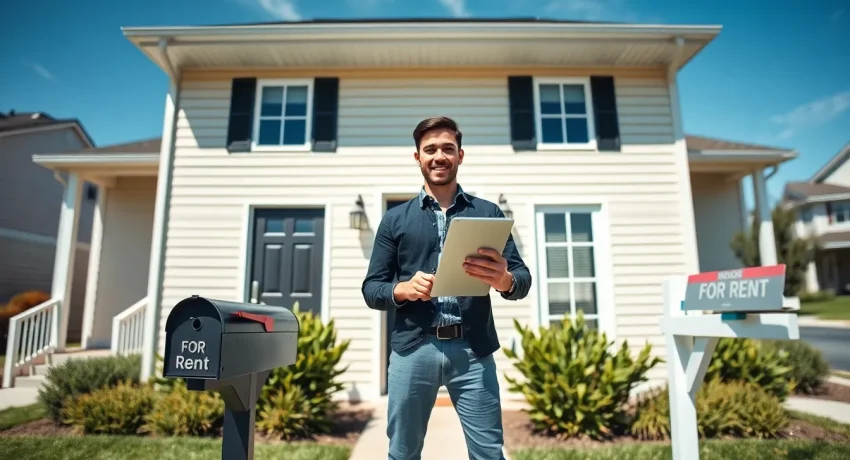

House hacking strategies offer a practical path to reduce or eliminate housing costs while building real estate equity. The concept is simple: buy a property, live in part of it, and rent out the rest. Tenants cover the mortgage, and the owner lives for free, or close to it.
This approach has gained traction among first-time buyers, young professionals, and investors seeking an entry point into real estate. It requires some planning, but the financial upside can be significant. Monthly savings often reach $1,000 or more, and owners build wealth through appreciation and principal paydown.
This guide breaks down what house hacking is, the most effective strategies for beginners, and how to get started.
Table of Contents
ToggleKey Takeaways
- House hacking strategies let you reduce or eliminate housing costs by renting out part of your property while living in it.
- Owner-occupied properties qualify for FHA loans with as little as 3.5% down, making house hacking accessible to first-time buyers.
- The most popular house hacking strategies include renting by the room, investing in multi-family properties, and short-term rental arbitrage.
- A good house hack should cover at least 70-100% of your total housing costs, including mortgage, taxes, and insurance.
- Always analyze your local market, run the numbers carefully, and understand landlord-tenant laws before purchasing a property.
- Treat your house hack as a business from day one by tracking income, screening tenants, and maintaining cash reserves for repairs.
What Is House Hacking and How Does It Work?
House hacking is a real estate investment method where the owner lives in a property while renting out portions of it. The rental income offsets, or entirely covers, the mortgage payment, taxes, and insurance.
The term gained popularity through the BiggerPockets community, but the strategy itself is old. Families have been renting spare rooms for generations. What’s changed is the intentionality. Modern house hackers buy properties specifically designed to generate rental income.
Here’s how it typically works:
- Purchase a property – This could be a single-family home with extra bedrooms, a duplex, triplex, or fourplex.
- Live in one unit or room – The owner occupies part of the property as their primary residence.
- Rent out the remaining space – Tenants pay rent that goes toward the mortgage and operating expenses.
The math can be compelling. Say someone buys a duplex for $350,000 with a $2,200 monthly mortgage. If the other unit rents for $1,500, the owner’s effective housing cost drops to $700. That’s a significant reduction compared to renting a similar property outright.
House hacking strategies also come with financing advantages. Owner-occupied properties qualify for FHA loans with down payments as low as 3.5%. Conventional loans for primary residences often require just 5% down. Investment properties, by contrast, typically need 20-25% down.
This lower barrier to entry makes house hacking an attractive first step into real estate investing.
Top House Hacking Strategies for Beginners
Several house hacking strategies work well for beginners. The right choice depends on the local market, personal comfort level, and financial goals.
Rent by the Room
This strategy involves buying a single-family home and renting out individual bedrooms. The owner lives in one room and leases the others to tenants.
It’s often the most profitable approach per square foot. A three-bedroom home might generate $600 per room, totaling $1,200 monthly from two tenants. Renting the entire home to one family might only bring $1,500.
The trade-off is privacy. Owners share common spaces like kitchens and living rooms. This setup works best for people comfortable with roommates. College towns and cities with high rent-to-income ratios often support strong room rental demand.
Multi-Family Property Investment
Buying a duplex, triplex, or fourplex is the classic house hacking approach. The owner lives in one unit and rents the others.
Properties with up to four units still qualify for residential financing. This means lower down payments and better interest rates than commercial loans. A fourplex can produce three rental incomes while the owner occupies the fourth unit.
Multi-family house hacking strategies provide more privacy than room rentals. Each unit has its own kitchen, bathroom, and entrance. Tenants feel like they’re renting an apartment, not a bedroom.
The challenge is finding properties at the right price. Multi-family homes in competitive markets often sell above asking price. Investors need to run numbers carefully to ensure positive cash flow.
Short-Term Rental Arbitrage
Short-term rental arbitrage uses platforms like Airbnb or Vrbo to generate higher nightly rates. Instead of traditional long-term tenants, owners host guests for days or weeks.
A spare bedroom that rents for $700 monthly might earn $100 per night on Airbnb. Even with 50% occupancy, that’s $1,500 monthly, more than double the long-term rate.
This strategy requires more work. Owners handle bookings, cleaning, guest communication, and turnover. Local regulations matter too. Some cities restrict or ban short-term rentals in residential areas.
Short-term rental house hacking strategies suit people who enjoy hospitality and don’t mind the extra effort. The income potential justifies the additional time investment for many owners.
How to Get Started With House Hacking
Getting started with house hacking requires research, preparation, and realistic expectations. Here’s a step-by-step approach.
1. Analyze the local market
Not every market supports house hacking. Look for areas where rent prices are high relative to purchase prices. Calculate potential rental income using sites like Zillow, Rentometer, or local Craigslist listings. Compare that income against likely mortgage payments.
2. Get pre-approved for financing
Speak with lenders about FHA, conventional, and VA loan options. Know the down payment requirements and monthly payment estimates before shopping for properties. Pre-approval strengthens offers in competitive markets.
3. Find the right property
Search for properties with house hacking potential. Look for extra bedrooms, separate entrances, or multi-family layouts. Consider properties that need minor updates, they often sell below market value.
4. Run the numbers
Calculate all expenses: mortgage principal, interest, taxes, insurance, maintenance, vacancies, and utilities. Subtract expected rental income. A good house hack should cover at least 70-100% of housing costs.
5. Plan for tenant management
Decide how involved to be as a landlord. Self-management saves money but takes time. Property managers typically charge 8-10% of rental income. Screen tenants carefully, background checks and income verification reduce problems.
6. Understand legal requirements
Research local landlord-tenant laws, zoning rules, and permit requirements. Some areas require rental licenses or inspections. Short-term rentals face additional regulations in many cities.
House hacking strategies work best when owners treat the property as a business from day one. Track income and expenses, maintain the property well, and build cash reserves for unexpected repairs.