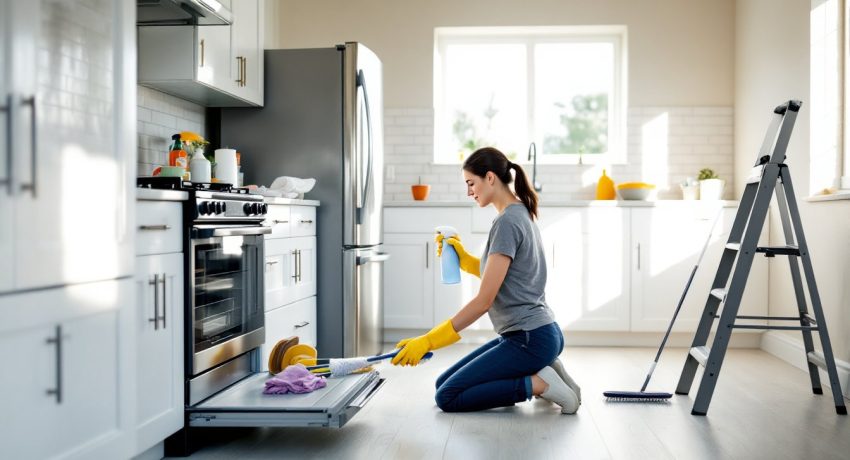

Deep cleaning a house isn’t the same as picking up clutter or running a vacuum before guests arrive. It’s the thorough, methodical work that reaches the places regular cleaning routines miss, behind appliances, inside grout lines, underneath furniture, and into the corners where dust and grime accumulate over months. For homeowners managing a busy schedule, knowing what a deep clean actually involves, when it’s needed, and how to approach it can make the difference between a surface-level tidy and a genuinely fresh, healthy living space. This guide breaks down exactly what deep cleaning means, how it differs from routine maintenance, and the practical steps to tackle it effectively.
Table of Contents
ToggleKey Takeaways
- Deep cleaning a house targets hard-to-reach areas like behind appliances, inside grout lines, and underneath furniture that regular weekly cleaning misses.
- A thorough deep clean of a 1,500-square-foot home takes 6–10 hours or longer, compared to 2–3 hours for regular cleaning, and requires specialized products like degreasers and grout cleaners.
- Kitchen and bathroom deep cleaning should prioritize degreasing range hoods and filters, scrubbing grout with a stiff brush, removing mineral deposits from shower heads, and wiping cabinet tops where grime accumulates heavily.
- Deep cleaning should be scheduled seasonally (spring and fall), before or after major events, when moving in or out, or when you notice visible grime on baseboards, sticky handles, or discolored grout.
- Breaking deep cleaning into quarterly room rotations (one or two rooms at a time) prevents overwhelm and keeps your home consistently maintained without dedicating entire weekends to the task.
- Always work top to bottom and left to right, move furniture to access hidden floors, use appropriate cleaners for each surface, and schedule breaks since deep cleaning is physically demanding.
What Does Deep Cleaning a House Actually Mean?
Deep cleaning targets the buildup that accumulates in areas typically skipped during weekly or bi-weekly cleaning sessions. It’s the work that addresses neglected spaces, baseboards caked with dust, grime inside oven cavities, calcium deposits on faucets, or mildew creeping into tile grout.
Unlike standard cleaning, which focuses on maintaining visible cleanliness, deep cleaning restores surfaces to near-original condition. It involves disassembling fixtures when necessary (like range hood filters or shower heads), moving furniture to access hidden floors, and scrubbing surfaces with appropriate cleaners and tools designed for tougher jobs.
This type of cleaning often requires more time, specialized products (degreasers, mildew removers, enzyme cleaners), and sometimes tools like extendable dusters, steam cleaners, or scrub brushes with stiff bristles. It’s not a quick pass-through, it’s deliberate, detailed work that can take a full day or longer depending on home size and condition.
Homeowners typically schedule deep cleans seasonally, before or after major events, or when preparing a home for sale or new occupants. It’s also common after renovations, when construction dust settles into every crevice, or following a period of neglect due to illness or travel.
Deep Cleaning vs. Regular Cleaning: Key Differences
Regular cleaning maintains baseline hygiene and tidiness. It includes tasks like wiping counters, sweeping floors, vacuuming carpets, cleaning toilets, and doing dishes. These tasks happen weekly or more often, focusing on high-traffic, high-touch surfaces. Regular cleaning prevents buildup but doesn’t address existing grime in hard-to-reach spots.
Deep cleaning goes further. It tackles the places regular cleaning doesn’t reach: behind the refrigerator, inside the dishwasher filter, along the top of door frames, under sink cabinets, and inside light fixtures. It removes layers of grease, soap scum, mineral deposits, and allergens that accumulate over time.
Time investment differs significantly. A regular cleaning session for a 1,500-square-foot home might take 2–3 hours. A thorough deep clean of the same space can take 6–10 hours or more, depending on the level of buildup and whether you’re working solo or with help.
Products and tools also vary. Regular cleaning often uses all-purpose cleaners and standard tools like microfiber cloths and mops. Deep cleaning may require specialized products, TSP (trisodium phosphate) for tough grease, Bar Keeper’s Friend for stainless steel and porcelain, or oxygen bleach for whitening grout. Tools might include a steam cleaner for sanitizing without chemicals, a wet/dry vacuum for baseboards, or an extendable duster for ceiling fans and vents.
The frequency difference is straightforward: regular cleaning happens weekly or bi-weekly, while deep cleaning typically occurs 2–4 times per year. Some homeowners break deep cleaning into quarterly room rotations to avoid dedicating an entire weekend to the task.
What’s Included in a Deep House Cleaning?
A complete deep clean covers every room, but the kitchen and bathrooms demand the most attention due to grease, moisture, and bacteria buildup. Here’s what the work entails in the two highest-priority areas.
Kitchen Deep Cleaning Tasks
Start with the oven. Remove racks and soak them in hot water with degreaser. Apply an oven cleaner (or a baking soda paste for a less caustic option) to interior surfaces, let it sit per product instructions, then scrub and wipe clean. Don’t skip the oven door glass, years of baked-on splatter won’t come off with regular spray.
Pull out the refrigerator and range. Vacuum coils on the back of the fridge (dusty coils reduce efficiency and shorten appliance life). Sweep and mop the floor underneath. Wipe down the sides and back panel of the range.
Clean inside the refrigerator by removing all shelves and drawers. Wash them in the sink with dish soap and warm water. Wipe interior walls with a solution of water and baking soda to neutralize odors. Check door seals for mold or grime and scrub with an old toothbrush if needed.
Degrease the range hood and filters. Most filters are dishwasher-safe, but heavily caked grease may need a soak in hot water with degreasing dish soap or TSP. Wipe down the hood exterior and underside.
Scrub backsplash grout with a stiff brush and a grout cleaner or a paste of baking soda and hydrogen peroxide. Grout is porous and absorbs grease and grime over time, this is where a detailed room-by-room deep cleaning checklist becomes invaluable for tracking progress.
Wipe cabinet fronts, especially near handles where oils from hands accumulate. If cabinets are wood, use a wood-safe cleaner: for painted surfaces, a mild all-purpose cleaner works. Don’t forget cabinet tops, dust and grease collect heavily in that often-ignored zone.
Clean the dishwasher by removing and rinsing the filter (usually at the bottom of the tub), wiping door seals, and running an empty cycle with a dishwasher cleaner or a cup of white vinegar placed on the top rack.
Bathroom Deep Cleaning Essentials
Start with the shower and tub. Spray tile, grout, and glass doors with a mildew remover or a mix of equal parts white vinegar and water (for light buildup). Let it sit for 10–15 minutes, then scrub grout lines with a grout brush. For soap scum on glass, a razor blade scraper works well, hold it at a 45-degree angle and work carefully to avoid scratching.
Remove and soak the shower head in vinegar to dissolve mineral deposits. If water pressure has dropped, this is often the culprit. Reattach and run hot water to flush loosened buildup.
Scrub the toilet thoroughly, including under the rim, around the base, and behind the tank where dust gathers. Use a pumice stone (wet it first) to remove hard water rings inside the bowl without scratching porcelain.
Clean grout on bathroom floors with the same method used in the kitchen. Bathroom grout is especially prone to mildew due to humidity, so proper ventilation (exhaust fan use during and after showers) helps prevent future buildup.
Wipe down all surfaces, countertops, cabinet fronts, mirrors, light fixtures, and baseboards. Pay attention to the area around faucets, where toothpaste, soap residue, and mineral deposits collect.
Wash or replace the shower curtain and liner. Fabric curtains are often machine washable: plastic liners can go in the washer on a gentle cycle with towels to prevent wrinkling, or replace them if they’re beyond saving.
Vent fans collect dust and reduce efficiency over time. Remove the cover (usually held by spring clips), vacuum the fan blades and housing, and wipe the cover before reinstalling. If airflow is still weak, the duct may need professional cleaning.
When Should You Deep Clean Your Home?
Seasonally is the most common schedule. Many homeowners deep clean in spring and fall, aligning the work with other seasonal maintenance like gutter cleaning or HVAC filter changes. Spring cleaning addresses winter’s closed-up grime: fall deep cleaning prepares the home for increased indoor time during colder months.
Before or after hosting major events (holidays, parties, extended guest stays) is another common trigger. A pre-event deep clean ensures the home is genuinely spotless, not just surface-clean. Post-event cleaning tackles the wear and tear that comes with heavy use.
When moving in or out, deep cleaning is essential. New homeowners often deep clean before unpacking to start fresh. Sellers deep clean to improve showing condition and appeal, buyers notice grime, and it affects perceived home value.
After renovations or construction, dust and debris infiltrate every surface, including HVAC ducts, window tracks, and behind outlet covers. A deep clean is necessary to remove fine particles that regular vacuuming won’t capture.
When health or lifestyle changes have caused cleaning to slide, illness, new baby, job changes, a deep clean resets the home. It’s also a smart move if allergies or respiratory issues are worsening: dust mites, mold, and pet dander buildup can be significant contributors.
Signs you’ve waited too long include visible grime on baseboards, sticky cabinet handles, discolored grout, musty smells, or reduced appliance performance (like a slow-draining dishwasher or weak vent fan). If you can write your name in dust on a surface that isn’t in plain sight, it’s time.
Breaking deep cleaning into quarterly rotations, one or two rooms at a time, prevents overwhelm and spreads the workload. For example, tackle the kitchen and bathrooms in Q1, bedrooms in Q2, living areas in Q3, and storage spaces in Q4. This approach, combined with resources like expert tips for tackling every area, keeps the home consistently maintained without dedicating entire weekends to cleaning.
How to Tackle a Deep Clean Yourself: Step-by-Step Tips
Plan and prep before you start. Walk through each room with a notepad and list tasks by room. This prevents mid-project surprises and helps you gather supplies in advance. Stock up on cleaners, scrub brushes, microfiber cloths, trash bags, and any specialty products needed.
Gather tools and materials:
- All-purpose cleaner (or make your own with water, vinegar, and a few drops of dish soap)
- Degreaser for kitchen surfaces
- Mildew remover for bathrooms
- Grout brush or an old toothbrush
- Microfiber cloths (multiple, they’re reusable and effective)
- Vacuum with attachments (crevice tool, upholstery brush)
- Mop and bucket or a steam mop
- Extendable duster for high surfaces
- Gloves, safety glasses, and a mask if using strong chemicals or working in dusty areas
- Step ladder for reaching ceiling fans, tops of cabinets, and light fixtures
Work top to bottom, left to right. Always start high (ceiling fans, light fixtures, tops of cabinets) so dust and debris fall to surfaces you’ll clean later. Move methodically around the room to avoid missing spots.
Remove and clean items first. Take down curtains, remove couch cushions, clear countertops. This exposes hidden dirt and makes surfaces easier to access. Wash or vacuum removable items separately.
Use appropriate cleaners for each surface. Don’t use abrasive scrubbers on glass or stainless steel. Don’t mix bleach with vinegar or ammonia (produces toxic fumes). Read product labels and follow dwell times, many cleaners need several minutes to break down grime before wiping.
Tackle one room at a time to avoid feeling overwhelmed and to see tangible progress. Complete each room fully before moving to the next. This also prevents spreading cleaning supplies and tools all over the house.
Don’t rush grout and caulk. Grout cleaning takes time and elbow grease. If caulk around tubs or sinks is moldy or cracked, it’s worth removing and re-caulking. Use a caulk removal tool or utility knife, clean the joint thoroughly, let it dry, then apply fresh mildew-resistant caulk. It’s a small job that makes a big visual difference.
Move furniture to vacuum and mop underneath. You don’t need to do this every week, but deep cleaning is the time. Use furniture sliders to protect floors and make moving heavy pieces easier.
Clean or replace filters in HVAC systems, range hoods, and vacuum cleaners. Clogged filters reduce efficiency and air quality. Most HVAC filters should be replaced every 1–3 months: deep cleaning is a good reminder to check.
Schedule breaks. Deep cleaning is physically demanding. Pace yourself, especially if working alone. Hydrate, stretch, and don’t try to finish an entire house in one exhausting push, quality matters more than speed.
Get help if needed. Some tasks are easier or safer with two people, moving heavy furniture, cleaning high windows, or flipping a mattress. If time or physical limitations are an issue, hiring a professional service for a one-time deep clean is a reasonable investment. For a comprehensive approach, consider following a step-by-step deep cleaning guide that covers all major areas systematically.
Finish with floors. Vacuum or sweep first to remove loose debris, then mop. Change mop water frequently, dirty water just spreads grime around. For tile or laminate, a steam mop sanitizes without chemicals. For hardwood, use a cleaner designed for wood floors and wring the mop nearly dry to avoid water damage.
Inspect as you go. Deep cleaning is a good time to spot maintenance issues, loose caulk, dripping faucets, worn weatherstripping, or burnt-out bulbs. Make a list and address them before they become bigger problems.