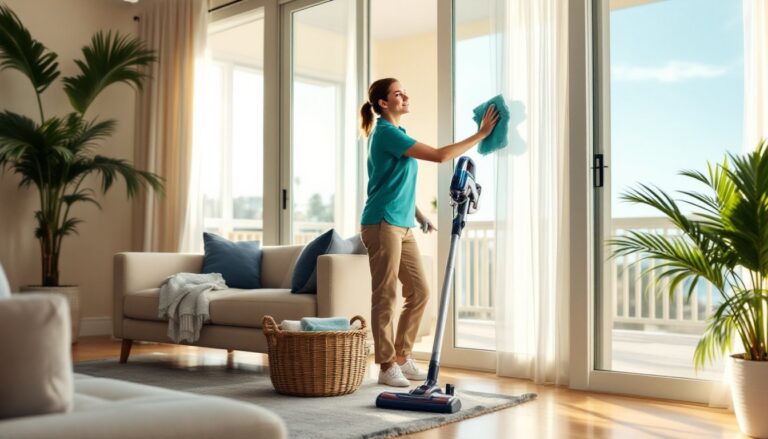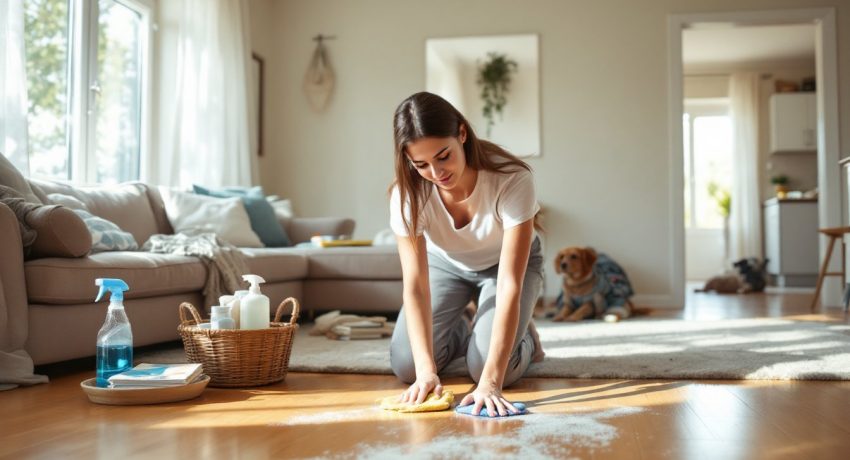

Forget the rigid Monday-vacuum, Wednesday-bathroom, Friday-dusting routine. Dynamic house cleaning flips the script on traditional schedules by cleaning what needs attention when it needs it, not because a calendar tells you to. This approach saves time, reduces wasted effort, and keeps homes genuinely cleaner by focusing on actual usage patterns instead of arbitrary weekly cycles. For homeowners juggling work, kids, pets, or all three, dynamic cleaning offers a smarter, more efficient path to a spotless home without the guilt of skipped chores or the grind of over-cleaning spaces nobody touched.
Table of Contents
ToggleKey Takeaways
- Dynamic house cleaning prioritizes actual usage patterns over fixed schedules, allowing homeowners to focus effort on high-traffic and high-touch areas that accumulate dirt fastest.
- This flexible, needs-based approach saves 20-30% of cleaning time by eliminating unnecessary tasks on rarely-used spaces and reduces the guilt and decision fatigue tied to rigid weekly routines.
- Implementing dynamic cleaning requires a two-week observation period to identify usage patterns, followed by creating a three-tier task list of daily maintenance, weekly flex tasks, and monthly projects triggered by visual and sensory cues rather than calendar dates.
- Dynamic house cleaning adapts automatically to lifestyle changes like remote work, seasonal shifts, or new pets, ensuring cleaning frequency matches your home’s real-time conditions without requiring schedule overhauls.
- By addressing visible dirt, sticky residue, and odors as they appear, homes stay consistently cleaner day-to-day while reducing cleaner consumption and extending the life of cleaning tools and supplies.
What Is Dynamic House Cleaning?
Dynamic house cleaning is a flexible, needs-based approach that prioritizes cleaning tasks based on real-time conditions rather than fixed schedules. Instead of mopping every floor every Thursday, homeowners assess which rooms received the most foot traffic, spills, or visible dirt that week and clean accordingly.
This method borrows concepts from lean manufacturing and adaptive maintenance, address problems as they arise, not on a predetermined timeline. A home office used daily gets vacuumed more often than a guest bedroom touched twice a month. Kitchen counters wiped after every meal prevent buildup that would otherwise demand heavy scrubbing on “cleaning day.”
The core idea: cleaning frequency should match usage intensity. High-activity zones get frequent attention. Low-traffic areas get checked periodically but not obsessively maintained. This isn’t about lowering standards, it’s about deploying effort where it actually matters.
Why Traditional Cleaning Schedules Fall Short
Traditional cleaning schedules assume static household activity. They treat every room equally, regardless of whether it’s used daily or sits empty. This creates two problems: wasted effort and neglected hot spots.
A fixed schedule might have someone scrubbing a rarely used powder room while the mudroom, crushed with boots, backpacks, and pet paws every single day, waits until next week’s rotation. That’s inefficient. Dirt accumulates where people actually live, not where the schedule says to clean.
Lifestyle changes expose these gaps even more. Remote work shifted home offices from occasional-use spaces to daily workstations. Gyms, playrooms, and hobby areas see variable intensity depending on seasons, school schedules, or weather. A static calendar can’t adapt.
Fixed schedules also breed guilt. Miss Saturday’s deep-clean because life happened? Now you’re “behind.” Dynamic cleaning eliminates that mental tax. There’s no arbitrary standard to fail, only real conditions to address.
Core Principles of Dynamic Cleaning
Clean Based on Usage, Not the Calendar
Track how rooms are actually used over a week or two. Notice patterns: which bathrooms see the most traffic, which floors collect the most debris, which surfaces get touched constantly. Adjust cleaning frequency to match observed reality.
For example, a household with three kids and a dog might vacuum the family room and kitchen every other day, but the formal dining room once every two weeks. A couple working from home might wipe down home office surfaces daily but skip the guest bath unless company’s coming.
Keep a simple log, mental or written, of what gets dirty fastest. When grime becomes visible or tactile (sticky counters, dusty baseboards, grimy switch plates), that’s the trigger to clean, not a date on the calendar.
Prioritize High-Traffic and High-Touch Areas
Focus effort on zones with the highest contamination risk and visibility. Entryways, kitchens, and primary bathrooms top most lists. Door handles, light switches, faucets, and countertops get touched dozens of times daily and should be wiped down frequently, sometimes daily.
High-traffic floors collect dirt faster than low-use areas. Hardwood or tile in hallways and kitchens might need sweeping or spot-mopping multiple times a week, while bedroom carpet in a guest room can go weeks between vacuuming.
This principle aligns with cleaning hacks that emphasize strategic effort over exhaustive coverage. Clean what people see and touch most often. The baseboards in a rarely entered closet? Those can wait.
How to Implement Dynamic Cleaning in Your Home
Start with a two-week observation period. Pay attention to which areas accumulate dirt, clutter, or odors fastest. Note which tasks you’re doing anyway (wiping counters after cooking, cleaning the toilet after a kid misses) and formalize those into daily or as-needed habits.
Next, create a three-tier task list:
Daily maintenance (5-15 minutes): Wipe kitchen counters and sinks, spot-clean spills, quick-sweep high-traffic floors, tidy entryway clutter. These small actions prevent buildup that demands heavy lifting later.
Weekly flex tasks (30-60 minutes total): Vacuum or mop floors in active rooms, clean primary bathroom, dust visible surfaces, empty all trash. Frequency adjusts, if the bathroom gets light use one week, skip the deep scrub. If the living room hosted game night, vacuum twice.
Monthly or as-needed projects (1-3 hours): Deep-clean appliances, wash windows, wipe baseboards, vacuum under furniture, clean ceiling fans, rotate and flip mattresses. These happen when conditions demand it, dusty fan blades, smudged windows, sticky oven, not because it’s the third Saturday.
Use visual and sensory cues as triggers. Visible dust, sticky residue, or lingering odors signal it’s time to act. This eliminates guesswork and ensures cleaning addresses actual grime, not imagined schedules.
Keep grab-and-go cleaning kits in key zones. A caddy under the kitchen sink with spray cleaner, microfiber cloths, and sponges makes quick wipe-downs effortless. A bathroom caddy with toilet cleaner, scrub brush, and glass cleaner enables fast spot-cleaning before grime sets in. Many product reviews for home appliances highlight compact, multi-surface cleaners that fit these setups.
Finally, adjust seasonally. Entryways demand more attention during muddy spring months or snowy winters. Kitchen floors might need extra mopping during summer when kids are home all day. Dynamic cleaning adapts to these shifts without requiring a calendar overhaul.
Benefits of Switching to a Dynamic Cleaning Approach
Time efficiency: Clean only what needs it, when it needs it. Households report saving 20-30% of time previously spent on unnecessary tasks. No more scrubbing a bathtub that hasn’t been used or vacuuming a room nobody entered.
Consistently cleaner spaces: By addressing high-traffic areas more frequently, homes stay visibly cleaner day-to-day. Dirt doesn’t accumulate for a week before being tackled, it’s handled as it appears.
Reduced decision fatigue: Instead of debating whether to stick to the schedule or skip it, homeowners simply assess current conditions. Is the floor dirty? Clean it. Is it fine? Move on. Simple.
Better mental health: The guilt and overwhelm tied to rigid schedules disappear. There’s no “falling behind” because the benchmark is the home’s actual state, not an arbitrary checklist. This shift aligns with home organization tips that emphasize sustainable, stress-reducing systems.
Adaptability: Life changes, kids start school, someone begins remote work, a pet joins the family. Dynamic cleaning adjusts automatically. No need to rework a master schedule: just respond to new usage patterns.
Lower supply costs: Cleaning only when necessary reduces cleaner consumption and tool wear. Microfiber cloths last longer when used strategically instead of dragged through weekly routines on surfaces that didn’t need attention.
Dynamic cleaning isn’t about doing less work, it’s about doing smarter work. The effort goes where it counts, keeping homes healthier and more pleasant without the rigidity that causes burnout or the chaos of no system at all.