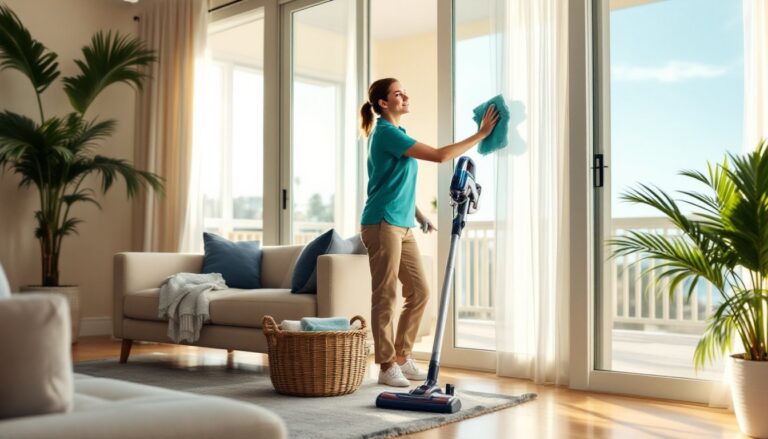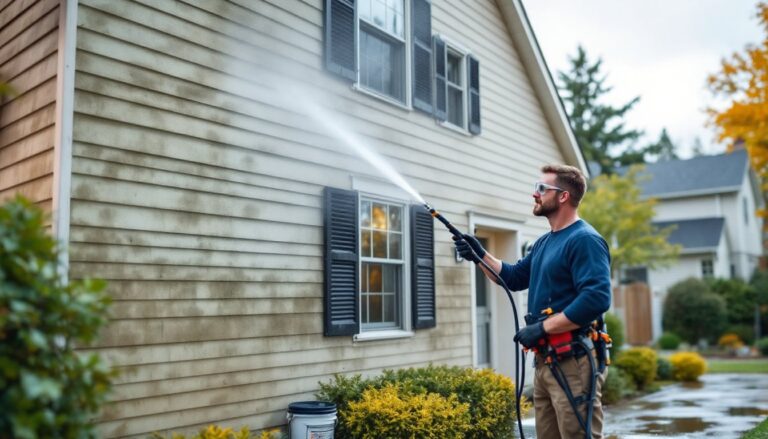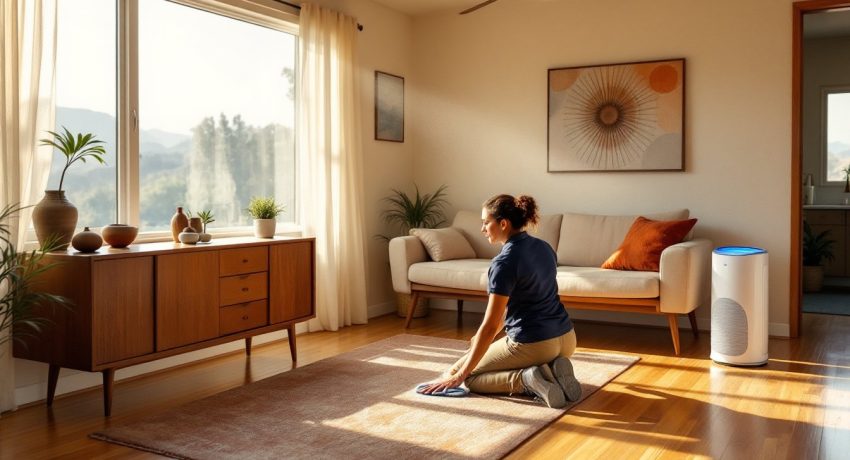

Burbank’s unique mix of older bungalows, mid-century ranches, and modern townhomes presents specific cleaning challenges that homeowners need to address strategically. Between the constant dust infiltration from nearby hillsides, the dry Santa Ana winds that kick up debris, and the year-round allergen load, keeping a Burbank home clean isn’t just about aesthetics, it’s about protecting your investment and your respiratory health. Whether you’re tackling the work yourself or evaluating professional services, understanding the local environmental factors and realistic cleaning schedules will save you time, money, and frustration.
Table of Contents
ToggleKey Takeaways
- Burbank’s unique environment—including dust from hillsides, low humidity, and freeway proximity—requires a strategic house cleaning plan with zone-based cleaning frequencies rather than generic schedules.
- High-traffic areas like kitchens and entryways need cleaning 2–3 times weekly, while HEPA-filtered vacuums, microfiber cloths, and commercial-grade door sweeps are essential tools for effective dust control in Burbank homes.
- Upgrade HVAC filters to MERV 11 or higher and change them every 30–45 days instead of the standard 90 days to reduce airborne particles by 60–80% in the valley’s dusty climate.
- Professional house cleaning services in Burbank typically cost $120–$200 for standard cleaning or $200–$350 for deep cleaning of a 1,500-square-foot home, with recurring bi-weekly service averaging $200–$400 monthly.
- Address weatherization gaps like deteriorating weatherstripping (replaced annually) and failed caulk around tubs to prevent moisture damage and improve dust control in older Burbank homes.
- Hard water mineral deposits, grout mildew, and dust mite management require specific cleaning solutions—white vinegar for fixtures, baking soda-hydrogen peroxide for grout, and 130°F water for weekly bedding washing.
Why Burbank Homeowners Need a Strategic Cleaning Plan
Burbank sits at the edge of the San Fernando Valley, which means homes here face a constant battle with particulate matter. The combination of low humidity (often below 30% during summer months), proximity to the 5 and 134 freeways, and seasonal winds creates an environment where dust accumulates faster than in coastal or inland areas.
Older homes built before 1980 often lack proper weatherstripping and have single-pane windows, allowing fine dust to infiltrate even when windows are closed. Mid-century homes frequently have original HVAC systems with inadequate filtration, upgrading to MERV 11 or higher filters can reduce airborne particles by 60-80%, but filters need changing every 30-45 days in Burbank’s conditions, not the standard 90 days.
The dry climate also means static electricity attracts dust to surfaces faster. Hardwood floors, which are common in Burbank’s craftsman-style homes, show every speck of debris. Tile flooring in bathrooms and kitchens requires different approaches due to grout porosity, unsealed grout in a Burbank home will absorb moisture from morning dew and evening watering, creating mildew issues if not cleaned with appropriate solutions.
A strategic plan accounts for these factors with zone-based cleaning frequencies. High-traffic areas (entryways, kitchens) need attention 2-3 times weekly, while bedrooms and guest spaces can stretch to weekly or bi-weekly depending on occupancy. Baseboards and ceiling fans, often overlooked, should be on a monthly rotation because dust settles quickly in dry air.
DIY House Cleaning Tips for Burbank Homes
Effective DIY cleaning in Burbank requires understanding the climate and adjusting products and schedules accordingly. Generic cleaning advice doesn’t account for the valley’s specific conditions.
Tackling Dust and Allergens in Southern California Climate
Dust control starts at entry points. Install commercial-grade door sweeps on all exterior doors, the brush-style sweeps work better than vinyl in Burbank’s heat, as they don’t warp. Weatherstripping around door frames should be checked annually: the intense summer sun degrades adhesive-backed foam strips within 18 months.
For routine dusting, microfiber cloths outperform feather dusters or disposable wipes because they trap particles electrostatically rather than redistributing them. Dampen cloths slightly with distilled water, tap water in Burbank has high mineral content that can leave streaks on dark wood furniture. Work top to bottom: ceiling fan blades first (use a pillowcase slipped over each blade to catch dust), then shelving, then baseboards.
Vacuum with a HEPA-filtered model at least twice weekly on hard floors and three times weekly on carpeting. Burbank’s older homes often have area rugs over hardwood: shake these outside weekly and deep-clean quarterly. Standard upright vacuums miss fine particles in low-pile rugs, a beater bar causes dust to become airborne before the suction catches it. For allergies, vacuum in overlapping passes with slow, deliberate strokes.
Air purifiers with true HEPA filters (not “HEPA-type”) make a measurable difference in Burbank homes. Size them correctly: a unit rated for 300 square feet won’t effectively clean a 450-square-foot living room. Place them away from walls (at least 18 inches clearance) and run continuously during Santa Ana wind events, which typically occur September through May.
Safety note: When cleaning ceiling fans or high surfaces, use a stable step ladder with non-slip feet, not a chair or stool. Wear a dust mask rated N95 or better when disturbing accumulated dust in attics or on top of cabinets.
Room-by-Room Cleaning Checklist
Kitchen: Degrease range hoods monthly using a solution of hot water and dish soap (commercial degreasers work faster but require ventilation). Burbank’s hard water leaves calcium deposits on faucets and sink fixtures, white vinegar applied with a cloth and left for 10 minutes before scrubbing removes buildup without scratching chrome or brushed nickel. Clean refrigerator coils every six months: dust buildup reduces efficiency by up to 25% and increases energy costs.
Bathrooms: Grout in showers requires a stiff-bristle brush and a paste of baking soda and hydrogen peroxide (let sit 15 minutes before scrubbing). Avoid bleach-based cleaners on colored grout, they cause discoloration. Caulk around tubs and showers should be inspected quarterly: failed caulk allows moisture into wall cavities, a particular concern in older Burbank homes where original plaster walls can’t handle repeated wetting.
Bedrooms: Wash bedding weekly in hot water (130°F minimum) to kill dust mites. Rotate and vacuum mattresses quarterly. Burbank’s dust mite population is lower than humid climates but still present year-round. Closets in older homes often lack proper ventilation: leave doors open when possible and use moisture absorbers if musty odors develop.
Living Areas: Upholstered furniture should be vacuumed with the upholstery attachment monthly. For homes with pets, a rubber pet hair removal tool works better than vacuum attachments on microfiber and velvet fabrics common in modern Burbank homes. Hardwood floors need damp mopping weekly with a pH-neutral cleaner, avoid oil soaps that leave residue attracting more dust.
Windows: Clean interior and exterior surfaces twice yearly minimum. Use a squeegee for streak-free results: paper towels leave lint. Burbank’s dust adheres to window screens, reducing airflow and light, remove screens annually and wash with mild soap and a soft brush.
Professional House Cleaning Services in Burbank: What to Expect
Hiring a professional service makes sense when time constraints, physical limitations, or the scope of work exceeds DIY capabilities. Burbank has dozens of house cleaning companies with varying service models and quality standards.
Reputable services perform an initial walkthrough to assess square footage, surface types, and specific concerns. They should ask about pets, allergies, and product preferences. Most bring their own supplies and equipment, though you can request they use your products if you have specific brands or eco-friendly preferences.
Standard cleaning typically includes dusting accessible surfaces, vacuuming and mopping floors, cleaning bathrooms (toilets, sinks, showers, mirrors), and kitchen surfaces (counters, sinks, exterior appliances). Deep cleaning adds baseboards, interior windows, cabinet fronts, light fixtures, and oven interiors. Move-out cleaning is the most comprehensive, covering all of the above plus interior cabinets, inside appliances, and detailed grout work.
Check that companies carry liability insurance and workers’ compensation. Ask for references and verify them, check recent reviews, not just the ones provided. Many homeowners find success with recommendations from resources like HomeAdvisor for comparing local service providers. Red flags include requiring large upfront payments, lacking a physical business address, or refusing to provide proof of insurance.
Scheduling flexibility varies. Weekly or bi-weekly contracts often get priority booking and discounted rates. One-time deep cleans typically cost 50-75% more per visit but require no commitment. Most services bring 2-3 person teams for efficiency: a standard 1,500-square-foot home takes 2-4 hours depending on condition and service level.
Prep work helps professionals work efficiently: Pick up clutter, secure pets in a separate room or yard, and communicate any areas requiring special attention. Point out delicate surfaces or valuables you’d prefer they avoid.
Cost Breakdown and Service Options
Burbank cleaning services typically charge $120-$200 for a standard clean of a 1,500-square-foot home. Deep cleaning runs $200-$350 for the same space. Pricing factors include square footage, number of bathrooms (each additional bathroom adds $15-30), condition (heavily soiled homes cost more), and service frequency (recurring clients get 10-20% discounts).
Hourly rates range from $40-$75 per cleaner, though flat-rate pricing is more common and predictable. Eco-friendly or green cleaning products may add $10-25 to the total. Specialized services like post-construction cleaning, hoarding cleanup, or mold remediation require licensed specialists and cost significantly more, often $500-$2,000+ depending on scope.
Monthly costs for recurring service average $200-$400 for bi-weekly standard cleaning of a typical Burbank home. Weekly service doubles that. Consider the trade-off: homeowners spending 4-6 hours weekly on cleaning might find bi-weekly professional service worth the cost for reclaimed time.
Many services offer add-ons: interior window cleaning ($3-8 per window), interior fridge cleaning ($25-40), oven cleaning ($25-50), or laundry service ($20-35 per load). Bundle these quarterly rather than monthly for better value.
Payment methods vary: most accept credit cards, checks, or digital payment apps. Tipping isn’t required but is appreciated, 15-20% for exceptional service or $10-20 per cleaner for standard work.
Contracts should specify services included, products used, cancellation policy (typically 24-48 hours notice), and what happens if you’re dissatisfied. Many established cleaning experts featured in publications like Good Housekeeping recommend choosing companies with satisfaction guarantees, they’ll return within 24 hours to address concerns at no charge.
For homes with valuable antiques, original hardwood, or delicate surfaces, discuss these upfront. Not all cleaners are trained on natural stone countertops (which can’t handle acidic cleaners) or hand-knotted rugs (which require specialized care).
Conclusion
Maintaining a clean home in Burbank requires adapting to the valley’s unique environmental conditions, persistent dust, low humidity, and allergen loads that differ from coastal areas. Whether handling the work yourself with proper tools and products or hiring professional help, a realistic schedule and zone-based approach produces better results than sporadic deep-cleaning marathons. Invest in quality filtration, address weatherization gaps, and match cleaning frequencies to actual conditions rather than generic advice.