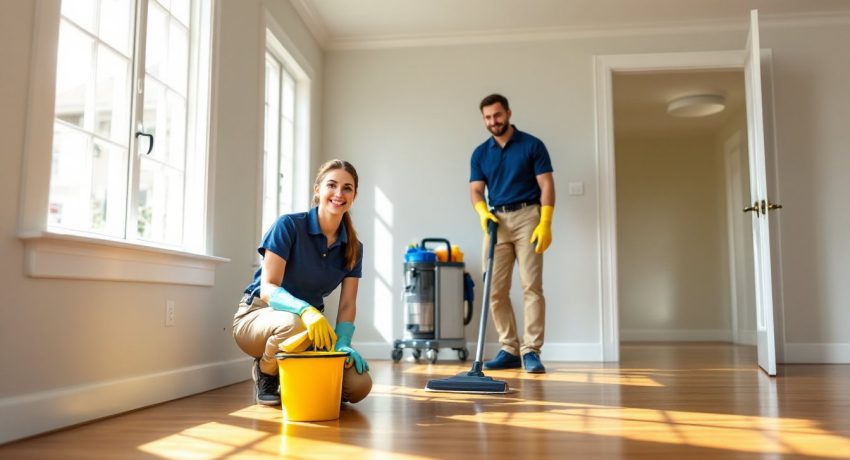

Moving out or into an empty house reveals every scuff mark, paint drip, and dust bunny that furniture once hid. While you might think an empty space is easier to clean, the reality is different, without furnishings to break up the work, these jobs are physically demanding and time-consuming. Professional empty house cleaning services tackle this challenge with commercial-grade equipment and systematic approaches that deliver move-in ready results. Whether preparing a rental property for new tenants, staging a home for sale, or moving into a previously occupied space, understanding what these services offer helps homeowners make informed decisions about when to hire help versus handling the work themselves.
Table of Contents
ToggleKey Takeaways
- Empty house cleaning services deliver deep-cleaning work specifically designed for vacant properties, tackling built-up grime and neglected areas that standard maintenance cleaning overlooks.
- Professional crews typically cover kitchens, bathrooms, baseboards, windows, and floors with commercial-grade equipment, with optional add-ons like carpet steam cleaning and post-construction dust removal available.
- Finding reliable empty house cleaners near you requires referrals from real estate agents, online reviews on platforms like Angi, verification of insurance and employee status, and on-site property assessments before quotes.
- Costs for empty house cleaning services range from $200–$600 for a 1,500–2,500 square foot home, varying by property size, condition, number of bathrooms, and regional labor rates.
- Hire professionals for properties over 2,500 square feet or heavy-soil conditions, but DIY cleaning works for smaller, well-maintained homes under 1,500 square feet when you have 2–3 days available.
- Prepare your empty house by removing all belongings, ensuring utilities are active, disclosing known issues upfront, and clearing debris—allowing cleaning crews to work efficiently without obstacles.
What Are Empty House Cleaning Services and Why You Need Them
Empty house cleaning services focus specifically on vacant properties, tackling the deep cleaning work that standard maintenance cleaning doesn’t address. These services target built-up grime, construction residue, and neglected areas that become obvious once rooms are bare.
Unlike regular housekeeping that maintains already-clean spaces, empty house cleaning is restorative work. Cleaners address baseboards caked with years of dust, windows streaked from weather exposure, and floors marked by furniture placement. The work typically happens during property transitions, after tenants move out, before new owners move in, or following renovation projects that leave behind drywall dust and paint splatter.
Property managers and landlords rely on these services between tenancies to maintain rental value and meet habitability standards. Home sellers use them to present properties in showing-ready condition, since clean spaces photograph better and allow buyers to envision themselves in the home. New homeowners hire cleaners to sanitize spaces before unpacking, especially if the previous owner’s cleaning standards were questionable.
The physical demands explain why many people outsource this work. Cleaning an empty 2,000-square-foot house involves hours of kneeling, reaching, and repetitive scrubbing. Without furniture to work around, you can cover more ground quickly, but the uninterrupted labor is exhausting. Professional crews bring multiple workers and commercial equipment that speeds the process considerably.
What’s Included in a Professional Empty House Cleaning
Empty house cleaning packages vary by provider, but most services follow a room-by-room checklist that covers surfaces from ceiling to floor.
Standard inclusions across most services:
- Kitchen: Cabinet interiors and exteriors, appliance cleaning (oven, refrigerator, dishwasher), countertops, backsplash, sink and faucet degreasing, floor mopping
- Bathrooms: Toilet, tub, shower (including tile and grout scrubbing), vanity, mirror, exhaust fan cover, floor sanitizing
- Living areas and bedrooms: Baseboard wiping, window sill cleaning, light switch plates, door frames, closet shelving, floor cleaning (vacuuming or mopping depending on surface)
- Whole-house tasks: Window washing (interior and sometimes exterior), ceiling fan and light fixture dusting, air vent cover cleaning, wall spot cleaning, floor baseboards
Many services offer add-ons for additional fees:
- Carpet steam cleaning or professional shampooing
- Interior cabinet and drawer liner replacement
- Exterior window washing (second-story requires special equipment)
- Garage or basement deep cleaning
- Blind cleaning (especially horizontal blinds that trap dust)
- Wall washing for smokers’ residue or heavy soil
Post-construction cleaning requires specialized attention. Construction dust settles everywhere, including inside cabinets, on top of door frames, and within HVAC systems. Cleaners typically do an initial dust removal pass, then return with damp cloths to capture fine particles that dry methods miss. This work often requires respirator masks rated for fine particulates, not just basic dust masks.
Communicate specific concerns upfront. If the previous occupant had pets, mention it, urine deposits require enzymatic cleaners, not just standard sanitizers. If there’s mold in bathroom grout or window seals, that may require remediation beyond cleaning scope.
How to Find Reliable Empty House Cleaners in Your Area
Finding qualified cleaners requires more diligence than browsing online listings. Start with referrals from real estate agents, property managers, or title companies, professionals who regularly coordinate closings and turnovers know which services deliver consistently.
Online platforms make comparison shopping easier. Services like Angi provide contractor reviews and project-specific ratings that help identify cleaners experienced with vacant property work. Check for multiple recent reviews rather than relying solely on star ratings: detailed feedback reveals how companies handle problems and communicate with clients.
Essential verification steps:
- Insurance: Confirm the company carries liability insurance and workers’ compensation. Request certificates if you’re a landlord or property manager.
- Employee vs. contractor model: Ask whether cleaners are W-2 employees or independent contractors. Employee-based companies typically provide more consistent training and accountability.
- References: Request contacts for recent empty house cleanings, not just general housekeeping clients. The work differs significantly.
- Site visit: Reputable services assess the property before quoting. Walk-throughs allow them to note specific challenges (water stains, pet damage, heavy buildup) that affect pricing.
Red flags include quotes given over the phone without seeing the property, requests for full payment upfront, and unwillingness to provide written estimates. Many established companies require 50% deposits for empty house jobs since clients may not be present at completion, but they should invoice the balance after walk-through approval.
Local independent cleaners often charge less than franchise operations, but franchises typically offer more standardized protocols and easier rescheduling if crews call out sick. For rental turnovers on tight timelines, reliability matters as much as cost.
Cost Factors for Empty House Cleaning Services
Empty house cleaning costs vary widely based on property size, condition, and regional labor rates. As of 2026, expect to pay $200–$600 for a standard 1,500–2,500 square foot home in average condition. Larger properties, heavy soil levels, or post-construction cleaning push costs higher.
Pricing models break down into two categories:
- Flat rate: Many companies quote per job based on square footage and condition. This works well for straightforward turnovers in maintained properties.
- Hourly rate: Typically $35–$75 per hour per cleaner. Crews usually send 2–3 workers, so a 4-hour job with two cleaners costs $280–$600. Hourly pricing makes sense for unpredictable conditions where scope might expand.
Cost variables that affect final pricing:
- Property size: Square footage directly impacts labor hours. A 3,500-square-foot house takes roughly twice as long as a 1,800-square-foot space.
- Condition: Light dust and dirt cleaning costs less than removing years of neglect, nicotine film, or pet damage. Heavily soiled properties can double baseline rates.
- Number of bathrooms: Bathrooms require more intensive scrubbing per square foot than bedrooms. A 2,000-square-foot house with four bathrooms costs more than the same square footage with two.
- Carpet cleaning: Adding carpet cleaning to hard surface cleaning typically adds $0.25–$0.50 per square foot for carpeted areas.
- Appliances: If appliances remain in the property, interior cleaning (especially ovens and refrigerators) adds time and cost.
- Location: Urban areas with higher labor costs charge premium rates. Rural markets generally offer lower pricing but fewer provider options.
Get multiple quotes when possible, but recognize that significantly low bids often signal corners being cut. Proper cleaning requires time, and reputable companies pay workers fairly while maintaining insurance coverage. Planning services around moving timelines helps avoid rush fees that some companies charge for same-week service requests.
DIY vs. Hiring Professionals: Making the Right Choice
The decision to clean yourself or hire professionals depends on physical capability, time constraints, property condition, and budget considerations. Neither choice is universally correct, context determines the best approach.
When DIY makes sense:
- The property is under 1,500 square feet and in reasonably maintained condition
- You have 2–3 full days available for uninterrupted work
- Budget constraints make professional services prohibitive
- You own commercial-grade equipment (shop vac, extension wands, steam cleaner)
- Physical limitations don’t prevent sustained kneeling, reaching, and lifting
When to hire professionals:
- Properties over 2,500 square feet require equipment and labor that DIY approaches can’t match efficiently
- Time constraints matter, if closing dates or tenant move-ins loom, professionals work faster
- Heavy soil conditions (smoker residue, pet damage, years of neglect) require commercial cleaning agents and extraction equipment
- You’re recovering rental property costs through tenant security deposits, professional receipts document cleaning expenses
- Physical limitations make intensive scrubbing unsafe or impossible
Hybrid approaches offer middle ground. Handle basic tasks yourself, wiping down baseboards, cleaning windows, mopping floors, then hire professionals for specialized work like carpet steam cleaning or heavy degreasing. This reduces professional service costs while ensuring difficult jobs get proper attention.
Realistic assessment matters here. Homeowners consistently underestimate the time empty house cleaning requires. That “quick weekend project” often stretches into a full week of part-time work. If you’re simultaneously managing a move, coordinating with movers, or handling other property tasks, adding intensive cleaning may create more stress than the cost savings justify.
Platforms like HomeAdvisor provide cost calculators that help compare DIY supply costs against professional quotes. Factor in equipment rental fees if you don’t own carpet cleaners or other specialized tools, rental costs plus your time investment may approach professional service pricing.
Preparing Your Empty House for Professional Cleaning
Proper preparation ensures cleaning crews can work efficiently and delivers better results for your investment. While you’re paying professionals to clean, you’re not paying them to move debris or troubleshoot utility access.
Pre-cleaning checklist:
-
Remove all belongings: Cleaners can’t work around boxes, furniture, or personal items. The space should be completely vacant, including closets, cabinets, and garage.
-
Ensure utilities are active: Cleaners need running water, electricity for vacuums and equipment, and adequate lighting. If power is disconnected, provide advance notice, some crews bring generators, but this affects pricing.
-
Provide access: Arrange key pickup or lockbox codes. If you can’t be present, clear communication about entry prevents wasted trips.
-
Disclose known issues: Mention any problems upfront, broken fixtures, water damage, mold concerns, or pest issues. Surprises on cleaning day may result in work refusal or additional charges.
-
Secure pets: Even if the house is empty, some homeowners leave pets during turnover periods. Animals must be removed or confined safely away from work areas.
-
Check HVAC filters: If the property has been vacant during dusty work or seasonal pollen, replace filters before cleaning. This prevents recirculation of particles that settle on just-cleaned surfaces.
-
Clear debris: Remove trash, leftover building materials, or yard waste. Cleaning services handle dirt and grime, not junk removal. Dumpster rental or hauling services address debris separately.
Safety considerations for both DIYers and professionals:
- Ventilation: Open windows when using cleaning chemicals, especially in enclosed spaces like bathrooms. Many commercial cleaners contain strong solvents.
- PPE: Wear nitrile gloves for chemical protection, safety glasses when cleaning overhead surfaces, and N95 respirators for heavy dust environments.
- Ladder safety: Use appropriate ladder height and maintain three-point contact. Falls cause more DIY injuries than any other home improvement accident.
Communicate your expectations clearly. If you’re preparing the property for specific purposes, FHA loan inspection, photography for listings, or particular tenant standards, tell the cleaning service. They can prioritize accordingly rather than applying generic protocols that might miss your key concerns.
Conclusion
Empty house cleaning bridges the gap between lived-in spaces and fresh starts, whether for incoming residents, prospective buyers, or new owners. Professional services bring efficiency and thoroughness that typically outpace DIY efforts, especially for larger properties or challenging conditions. Evaluate your specific situation, property size, timeline, budget, and physical capability, against the realistic scope of work required. Clear communication with cleaning services about expectations, property access, and special concerns ensures the investment delivers move-in ready results worth the cost.